Maintaining a healthy mouth involves more than just looking at the surface of the teeth. Underneath the gums, the jawbone plays a vital role in supporting the face and keeping teeth in place. When a person loses a tooth, the bone that once held it can start to shrink or disappear. Visiting a dental clinic in Burnaby allows individuals to check the health of their jaw and discover how to stop bone loss before it creates bigger problems.
What Happens When the Jawbone Starts to Shrink?
Jawbone health depends on the stimulation it gets from chewing. When teeth are present, the roots send signals to the bone to stay strong and thick. If a tooth is removed, those signals stop, and the body begins to absorb the bone tissue back into the system. Identifying the causes of jawbone loss early is essential for long-term health.
- Tooth Loss: This is the most common reason for bone depletion. Once the root is gone, the bone starts to dissolve.
- Gum Disease: Serious infections can eat away at the bone that supports the teeth.
- Long-term Dentures: Traditional dentures sit on top of the gums but do not stimulate the bone, which often leads to a shrinking jaw over many years.
- Trauma: A hard hit to the face that damages the tooth socket can also cause bone tissue to die.
Recognizing the Signs of Bone Depletion
Many people do not realize their jaw is shrinking until the change becomes visible. Paying attention to small shifts in the mouth can help a person seek help at a dental clinic sooner.
You may often see that your top and bottom teeth do not line up like before. If dentures that once fit well now feel loose or shift around, it is usually because the bone underneath has changed its shape. You might also notice your lips looking thinner or your chin becoming sharper. These changes happen because the jawbone supports the skin and muscles of your lower face.
How Do Dental Implants Help?
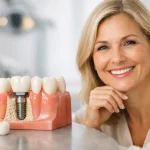
Searching for dental implants near you is a smart move for anyone worried about bone loss. Unlike dentures or bridges, implants act like artificial tooth roots. These small titanium posts are placed directly into the jaw.
Because the body views titanium as a natural part of the bone, the two materials fuse. This process creates the stimulation the jaw needs to stay healthy. Implants are the only tooth replacement option that actually helps preserve the jawbone rather than letting it waste away. Once the implant is secure, a sturdy artificial tooth is attached, allowing the person to eat and speak with total confidence.
What If There Is Not Enough Bone for Implants?
Sometimes, a person waits a long time after losing a tooth before seeking help. In these cases, the jaw might be too thin or soft to hold an implant securely. This is where bone grafting for dental implants becomes a necessary step.
During a graft, a professional puts new bone material into the area where the jaw is weak. This material can come from another part of the body or a special lab. Over a few months, the new bone joins with the old bone and forms a thick, strong base. Once healing is done, the jaw becomes strong enough to hold the titanium post. This procedure makes it possible for almost anyone to get a permanent tooth replacement, even if they had bone loss in the past.
The Treatment Journey: Step by Step
Rebuilding a smile takes time and patience, but the results are made to last a lifetime. The process includes several main stages:
- Imaging: A professional uses 3D scans to clearly see how much bone is left in the jaw
- Preparation: If the jaw is too thin, the grafting procedure is performed first.
- Placement: The implant post is carefully positioned in the bone.
- Healing: The jaw needs a few months to grow around the post.
- Restoration: An artificial tooth, called a crown, is placed on top of the post to complete the smile.
This path ensures that the new tooth is stable and the jaw remains protected from further shrinking.
Keeping the Jaw Healthy for Life
It is much easier to stop bone loss than to fix it later. Regular checkups help a professional find gum disease early, before it spreads to the bone. Replacing missing teeth on time helps avoid the “melting” effect that can happen when a gap is left open.
Daily care is also essential. Brushing and flossing help prevent infections that can damage the bone. Eating foods rich in calcium and vitamin D gives the body what it needs to keep bones strong.
Restore Your Strength and Confidence
Losing teeth or having a weak jaw can feel worrying, but there are modern ways to fix it. We help patients slowly rebuild their smiles step by step. Our team use modern tools to check bone health and provide gentle care to bring back what is lost. Whether a person needs one implant or a full jaw restoration, our goal is to give a healthy and working smile.
Book your appointment today at Burnaby Square Dental.
Frequently Asked Questions
Can anyone get dental implants if they have bone loss?
Most people can still receive treatment even with bone loss. A professional will use bone grafting for dental implants to strengthen the area and create a solid foundation for the new tooth.
How do I know if my jawbone is shrinking?
You may have noticed that your face has changed shape, that your dentures don’t fit properly anymore, or that your remaining teeth have moved or feel loose. A visit to a dental clinic for an X-ray can confirm the bone levels.
Does bone grafting make the implant process longer?
Yes, the addition of graft typically extends the overall timeline by several months. After the grafting procedure, the jaw requires time to heal and turn into solid, living bone before it can safely absorb the pressure of an implant.
Are dental implants better than dentures for bone health?
Implants are considered superior for bone health because they act like natural roots. While dentures can actually speed up bone loss by putting pressure on the surface, implants stimulate the bone from within to keep it strong.