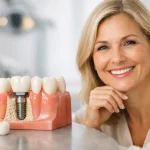
A lot of people ask the same question before they ever book a consultation: is cosmetic dentistry expensive? The honest answer is yes, it can be – but not always in the way people expect. Cosmetic dental treatment covers a wide range of services, and the price depends less on the word cosmetic and more on what you are trying to fix, how long you want results to last, and whether there are any underlying dental issues that need attention first.
For some patients, cosmetic dentistry means simple whitening before a wedding, graduation, or job interview. For others, it means correcting chips, worn teeth, gaps, uneven gums, or a smile that has never felt quite right. Those situations do not carry the same cost, and they should not be treated as if they do.
Is Cosmetic Dentistry Expensive for Every Patient?
Not necessarily. Cosmetic dentistry is not one single treatment with one single price tag. It includes lower-cost options like teeth whitening, moderate-cost options like bonding, and higher-cost options like veneers, Invisalign, or implants when appearance and function overlap.
That range is why broad online price estimates can be frustrating. One office may advertise a low starting number, while another builds a treatment plan that includes imaging, bite adjustments, gum treatment, or replacement of older dental work. Both numbers may be accurate, but they are not describing the same starting point.
A better question is this: expensive compared to what? If you compare cosmetic dentistry to doing nothing, it can feel costly. If you compare it to years of replacing cheap temporary fixes, hiding your smile in photos, or treating damage that worsens over time, the value can look very different.
What Actually Affects the Cost?
The biggest factor is the type of treatment. Professional whitening is usually one of the most affordable cosmetic options because it is straightforward and does not permanently change tooth structure. Bonding also tends to be more budget-friendly, especially for small chips or minor shape concerns.
Veneers cost more because they are custom-designed and require detailed planning, lab work, and precise placement. Invisalign can also be a bigger investment because treatment takes time, includes a series of aligners, and often involves regular monitoring. If a patient is considering implants to replace missing teeth, the cost rises further because that process may involve surgery, bone support, and restoration.
Another major factor is whether the issue is purely cosmetic or partly functional. If a tooth is cracked, heavily filled, worn down, or misaligned in a way that affects bite function, the treatment plan may need to solve both appearance and health concerns. In that case, the cost reflects more than a cosmetic upgrade.
Materials matter too. A direct bonding material is different from a custom porcelain veneer or crown. Porcelain generally costs more, but it also tends to offer better stain resistance, durability, and light reflection. That does not make it the right choice for everyone, but it explains why prices vary.
Cosmetic Treatments Often Fall Into Different Price Levels
If you are trying to understand cost without getting lost in exact numbers that may not apply to your case, it helps to think in tiers.
Lower-cost cosmetic treatment usually includes whitening and small bonding repairs. These are often good starting points for patients who want visible improvement without a large commitment.
Mid-range treatment may include contouring, multiple bonding cases, or clear aligner treatment for minor to moderate movement. This is often where patients begin to weigh budget against long-term results.
Higher-cost cosmetic treatment usually includes veneers, full smile redesigns, implants, or cases that combine orthodontics, gum shaping, and restorations. These plans are more customized and often more transformative, but they also require more planning, appointments, and technical work.
That does not mean higher cost always means better care. It simply means the treatment is more complex or uses more advanced materials and lab support.
When Cosmetic Dentistry Feels Worth the Cost
The emotional side of this decision matters more than many people expect. If someone has spent years covering their mouth when they laugh, avoiding close-up photos, or feeling self-conscious in conversations, the impact of treatment can go beyond appearance.
At the same time, it is worth being practical. A cosmetic treatment should not feel rushed or pressure-filled. Good dental care includes a clear explanation of what is optional, what is recommended for health, what can wait, and what alternatives exist.
For example, a patient may come in asking about veneers when whitening and bonding would get them 80 percent of the result for much less. Another patient may want the cheapest option, but because of grinding, bite wear, or old restorations, a more durable solution may save money over time. This is where personalized advice matters.
Is Cosmetic Dentistry Expensive Compared to Long-Term Value?
Sometimes yes, and sometimes no. The better way to look at it is through longevity and maintenance.
Whitening is relatively affordable, but it is not permanent. Coffee, tea, red wine, smoking, and natural aging can all affect results. Bonding can look beautiful, but it may chip or stain over time and may need touch-ups. Veneers and crowns generally cost more upfront, yet they may last much longer when properly cared for.
Clear aligners can also offer long-term value if they improve both appearance and bite position. Straighter teeth are often easier to clean, and that can support oral health over time. On the other hand, aligner treatment only pays off if patients wear retainers afterward. Without retention, teeth can shift back, and that reduces the value of the investment.
In other words, lower upfront cost does not always mean lower total cost over the years.
Hidden Costs Patients Do Not Always Expect
One reason people worry about cosmetic dentistry is that they fear surprise charges. That concern is reasonable. Dentistry should feel transparent.
The most common added costs come from issues discovered during the exam. A patient may want whitening, but untreated cavities or gum inflammation need attention first. Someone interested in veneers may also need old fillings replaced or bite problems evaluated. A missing tooth may seem like a simple cosmetic concern, but if bone loss is present, treatment can become more involved.
Maintenance is another area patients may overlook. Whitening may need refreshers. Bonding may need polishing or repair. Veneers and implants still need regular exams and cleanings. Cosmetic work is not separate from oral health – it depends on it.
How to Make Cosmetic Dentistry More Affordable
If cost is the biggest barrier, that does not automatically mean treatment is out of reach. In many cases, the better approach is to phase care rather than postpone it indefinitely.
A dentist may recommend starting with the highest-impact, lowest-cost improvement first. Whitening, reshaping, or bonding can sometimes make a meaningful difference while giving you time to plan for larger treatment later.
Financing can also help patients spread out the cost of care instead of paying all at once. For many families and working adults, predictability matters as much as the total amount. Knowing what the monthly commitment looks like can make decision-making easier.
It is also worth asking whether part of the treatment overlaps with restorative need. Insurance often does not cover procedures done only for appearance, but when a treatment also repairs damage or supports function, coverage may apply differently. Every plan is different, so it is best to confirm the details before starting.
At Burnaby Square Dental, many patients appreciate having practical support like financing and direct insurance billing because it makes the process feel easier to understand, not just easier to schedule.
How to Decide if the Cost Makes Sense for You
Start with your goal, not the treatment name. Do you want whiter teeth? A straighter smile? Less visible wear? To replace something missing? Once the goal is clear, the options become easier to compare.
Then ask a few simple questions. How noticeable is the concern in daily life? Is it cosmetic only, or does it affect comfort and function? How long do you want the result to last? Are you looking for the most affordable fix today, or the most durable solution over time?
There is no one right answer for every patient. A college student, a parent budgeting for a household, and a retiree replacing worn dental work may all make different choices, and all of those choices can be reasonable.
The best cosmetic dentistry is not the most expensive plan on paper. It is the one that fits your goals, your oral health, and your budget without leaving you confused about what you are paying for.
If you have been putting off a conversation because you assume cosmetic treatment is automatically out of reach, it may be worth asking questions before ruling it out. Sometimes the first step is smaller, simpler, and more manageable than people think.
Frequently Asked Questions
Is cosmetic dentistry always very expensive?
No, cosmetic dentistry can range from affordable treatments like teeth whitening and bonding to higher-cost options like veneers, Invisalign, or dental implants. The total cost depends on the type of treatment, the complexity of the case, and the long-term goals of the patient.
What factors affect the cost of cosmetic dentistry?
Several factors influence the cost, including the type of procedure, materials used, number of teeth involved, and whether there are underlying dental issues that need treatment first. More advanced procedures like veneers or implants generally cost more because they require custom planning and specialized materials.
Are cheaper cosmetic dental treatments worth it?
Lower-cost treatments such as whitening or bonding can provide noticeable improvements and may be a good option for minor cosmetic concerns. However, some treatments may require more maintenance or replacement over time, so it is important to balance upfront cost with long-term durability and results.
Can cosmetic dentistry improve both appearance and oral health?
Yes. Some cosmetic treatments also improve oral function and overall dental health. For example, clear aligners can help straighten teeth for easier cleaning, while crowns or veneers may protect worn or damaged teeth. Your dentist can explain which treatments offer both cosmetic and functional benefits.