Losing a tooth can affect more than just your confidence; it can also affect your ability to eat, but modern restorative dentistry offers natural-feeling solutions. By visiting a dentist in Burnaby, you can open options that focus on jawbone health and the health of the surrounding teeth.
Whether you’re missing one tooth or a full arch, knowing your options is the first step toward achieving a beautiful smile. Dental implants in Burnaby are the gold standard, mimicking natural teeth for lasting stability and comfort.
What Are The Effective Ways To Replace A Single Tooth?
When only one tooth is missing, the goal is to fill the gap without damaging the healthy teeth on either side. Modern dentistry offers several primary ways to achieve this.
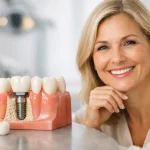
- Individual Dental Implants – A titanium post is placed into the jawbone, acting as a new root. This prevents the need to grind down adjacent teeth.
- Fixed Dental Bridges – This method uses neighboring teeth as anchors to support a prosthetic tooth. It is a time-tested, non-surgical solution.
- Removable Partial Dentures – These can be a budget-friendly option for those not ready for permanent surgery.
How Do Multiple Missing Teeth Impact Your Facial Structure?
Missing several teeth can make your cheeks look hollow and cause your remaining teeth to shift. Replacing them is as much about aesthetics as it is about maintaining your facial proportions.
- Implant-Supported Bridges – Instead of relying on natural teeth, a bridge is anchored to two or more implants, providing a stronger foundation for chewing.
- Partial Dentures – Modern partials are discreet, using hidden clips rather than visible metal clasps to stay in place.
- Bone Preservation – Without stimulation from roots, the jawbone naturally shrinks. Implants are the only option that keeps the bone active and healthy.
Which Options Exist For Replacing An Entire Arch Of Teeth?
For patients who have lost all their teeth in the upper or lower jaw, modern technology has made traditional, slipping dentures a thing of the past.
- All-on-X Systems: This technique uses four to six strategically placed implants to support a full, permanent bridge that you do not remove at night.
- Overdentures: These are removable dentures that “snap” onto implants. They offer significantly more stability than traditional dentures while remaining easy to clean.
- Traditional Full Dentures: High-quality acrylics now offer a much more realistic look, customized to your face’s shape.
Comparing Modern Tooth Replacement Options
| Tooth Replacement Option | Description | Benefits | Considerations |
| Individual Dental Implants | Titanium post placed in jawbone with a crown on top | Mimics natural teeth, preserves adjacent teeth, maintains bone health | Surgical procedure required, longer healing time (3–6 months) |
| Fixed Dental Bridges | Prosthetic tooth anchored to neighboring teeth | Non-surgical, quicker solution, restores appearance and function | Requires alteration of adjacent teeth, doesn’t prevent bone loss |
| Removable Partial Dentures | Removable appliance replacing one or more teeth | Budget-friendly, easy to adjust | Less stable than implants, may require clasps, daily cleaning needed |
| Implant-Supported Bridges | Bridge anchored to two or more implants | Strong chewing ability, preserves jawbone, doesn’t affect healthy teeth | Surgical procedure, higher cost, multiple implants required |
| Partial Dentures | Removable appliance for multiple missing teeth | Discreet modern designs, easy to clean | Less stable than fixed options, may need adjustments over time |
| All-on-X Systems | Full arch supported by 4–6 implants | Permanent, stable, natural-looking, restores bite strength | Surgical procedure, higher upfront cost, requires sufficient bone |
| Overdentures | Removable dentures that snap onto implants | More stable than traditional dentures, easy to remove for cleaning | Requires implants, still removable, may need periodic maintenance |
| Traditional Full Dentures | Complete set of removable teeth | Non-surgical, customizable for face shape, improved aesthetics | Can slip or move, doesn’t prevent bone loss, may require adhesives |
How Much Time Does A Dental Restoration Take?
Modern procedures are streamlined, but quality tooth replacement is often a journey. Understanding the phases helps set realistic expectations.
- Initial Consultation – Involves 3D imaging and digital scans to assess bone density.
- Preparation Phase – In some cases, a tooth extraction or a bone graft may be needed to create a strong foundation.
- Placement and Healing – If you choose implants, a period of “osseointegration” is required, where the bone fuses to the post (typically 3–6 months).
- Final Fitting – The permanent crown, bridge, or denture is secured for a perfect fit.
How Do You Maintain Your New Smile Long-Term?
Even though prosthetic teeth cannot get cavities, the gums and bone supporting them are still susceptible to infection.
- Regular Hygiene Appointments – Professional cleanings help prevent plaque buildup around the bases of bridges or implants.
- Daily Oral Care – Using water flossers and non-abrasive toothpastes helps protect the finish of your new teeth.
- Bite Guards – If you tend to grind your teeth, a custom night guard can prevent your new restorations from chipping.
A Renewed Smile and Better Health
Replacing missing teeth restores confidence and protects your oral health. Modern technology makes the process faster, comfortable, and reliable, ensuring a natural, long-lasting smile.
At Burnaby Square Dental, we use advanced tools to provide personalized care and guide you through every step of your restoration.
Contact us today to schedule your consultation and start your journey to a complete, radiant smile.
FAQs
Does insurance cover modern tooth replacement?
Many plans cover a portion of bridges and dentures; more providers are now covering implants as standard of care.
Is the procedure for getting implants painful?
Most patients report that the process is less uncomfortable than a standard extraction, as local anesthesia keeps the area completely numb.
How long will it take to get used to my new teeth?
Most people adjust to bridges or implants within a few days, while full dentures may take a few weeks to feel completely natural.
Can I eat normally with dental implants?
Yes, once fully healed, implants restore nearly 100% of your natural biting force, allowing you to eat tough or crunchy foods with ease.