If you have a damaged or weak tooth, visiting a dental clinic near you can help restore it before the problem gets worse. A dental crown is a common solution used to protect and strengthen teeth.
Many patients choose dental crowns in Burnaby to fix broken, worn, or treated teeth. Understanding how the procedure works can help you feel more confident about the treatment.
What is a Dental Crown?
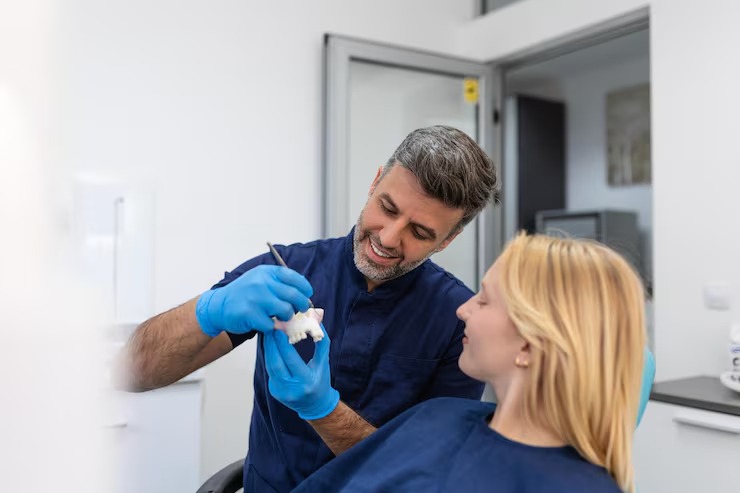
A dental crown is a custom-made cap that covers the entire visible part of a tooth. It is shaped and coloured to match your natural teeth. The crown protects the tooth underneath and helps restore its strength and function. Once placed, it looks and feels like a normal tooth.
Why Would I Need a Dental Crown?
There are several reasons why a crown may be recommended. A crown helps protect a damaged tooth and restore its normal shape and strength. Dentists usually suggest crowns when a tooth is too weak or damaged to be repaired with a simple filling.
A crown may be needed to:
- Protect a weak tooth from breaking
- Restore a cracked or broken tooth
- Cover a tooth after a root canal
- Support a large filling
- Improve the appearance of a worn or stained tooth
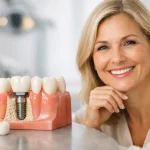
- Cover a dental implant
Crowns provide full coverage over the tooth and help restore its function. They allow you to chew comfortably and protect the remaining tooth structure from further damage.
Types of Dental Crowns
There are different materials used to make crowns. The choice depends on your needs and budget.
Porcelain Crowns
Porcelain crowns look very natural. They are often used for front teeth because they blend well with surrounding teeth. The colour and shape can be matched carefully to your natural teeth for a balanced appearance.
Ceramic Crowns
Ceramic crowns are also tooth coloured and strong. They are a good choice for people who want a metal-free option. These crowns are designed to look natural while still providing good durability.
Metal Crowns
Metal crowns are very strong and long-lasting. They are often used for back teeth where strength is important. Because of their durability, they can handle strong chewing pressure for many years.
Porcelain Fused to Metal
These crowns have a metal base with a porcelain outer layer. They provide strength and a natural look. The metal supports the crown while the porcelain helps it blend with nearby teeth.
Your dentist will explain which type is suitable for your case.
Step-by-Step Dental Crown Procedure
Step 1 – Examination and Preparation
During the first visit, the tooth is examined. X-rays may be taken to check the root and surrounding bone. If there is decay, it is removed. The tooth is then shaped to make space for the crown. A small amount of enamel is trimmed so the crown can fit properly.
After shaping, an impression of the tooth is taken. This impression is sent to a lab where the custom crown is made.A temporary crown is placed to protect your tooth until the final one is ready.
Step 2 – Crown Placement
On the second visit, the temporary crown is removed. The new crown is checked for fit, shape, and colour.If everything looks and feels right, the crown is cemented in place. The bite is adjusted if needed to ensure comfort. Once fixed, the crown covers the tooth fully and restores its function.
How Do Dental Crowns Work?
A crown works by covering and protecting the damaged tooth. It acts like a shield that supports the tooth and helps restore its normal function. This protective covering allows the tooth to stay strong and continue working properly.
It helps to:
- Restore chewing ability
- Prevent further damage
- Improve appearance
- Support the tooth structure
By covering the entire tooth, the crown protects it from additional wear or pressure. With proper care and regular dental visits, a crown can remain strong and last for many years.
What to Expect After the Procedure
It is normal to feel mild sensitivity after the crown is placed. This usually settles within a few days.You can eat normally, but it is best to avoid very hard foods at first. Good oral hygiene is important. Brush and floss daily. Regular checkups help ensure your crown stays in good condition.
How Long Do Crowns Last?
Dental crowns can last 10 to 15 years or even longer with proper care. Their lifespan may vary depending on daily habits and how well the crown is maintained over time. Good oral care and regular dental visits play an important role in helping a crown last longer.
- Oral hygiene habits
- Grinding or clenching
- Type of material used
- Regular dental visits
Taking care of your crown is similar to caring for your natural teeth. Brushing, flossing, and attending routine checkups help keep the crown and the surrounding teeth healthy.
Are Crowns Noticeable?
Modern crowns are designed to match your natural tooth colour. When placed correctly, they blend well with your smile and look similar to your natural teeth. Most people cannot tell the difference between a crown and a natural tooth during normal conversation or smiling.
When To Contact The Clinic
If you notice pain, looseness, or damage to your crown, it is important to get it checked by your dental team. Early attention can prevent further problems and protect the tooth underneath the crown. Healthy habits and routine visits help maintain the strength of both your crown and surrounding teeth.
A Stronger Smile Starts Here
If you have a damaged tooth or are not sure whether a crown is the right option, Burnaby Square Dental is here to help. We will check your tooth and explain the available treatment options in clear and simple words. Book your visit today and take a step toward improving your smile.
Frequently Asked Questions
Is getting a dental crown painful?
The procedure is usually done with local freezing, so you should not feel pain. Some mild sensitivity after treatment is normal.
How long does it take to get a crown?
The process usually requires two visits spaced a few weeks apart.
Can a crowned tooth still get cavities?
Yes, decay can form at the edges if oral hygiene is not maintained. Brushing and flossing are important.
Do crowns require special care?
No special care is needed. Brush, floss, and attend regular checkups as you would for natural teeth.