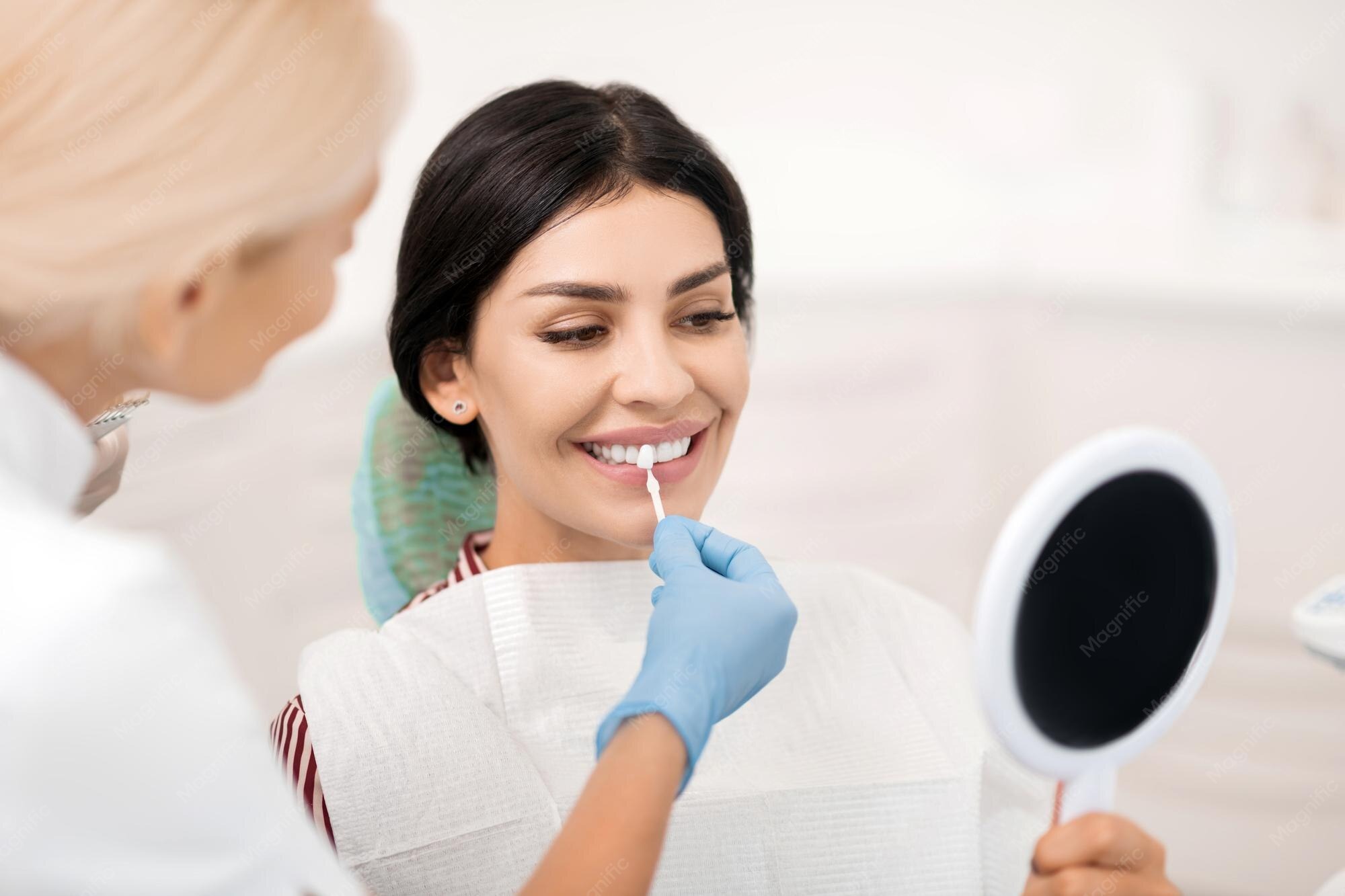
Many people feel a sharp sting when drinking cold water or eating hot soup. Finding a skilled dentist in Burnaby can help you understand why your teeth react so strongly to temperature changes. While most individuals think of smile makeovers as just a beauty fix, these thin shells actually provide a strong shield for your nerves. Understanding the relationship between tooth structure and comfort helps in making a good choice for oral health.
Why Do Teeth Feel Sensitive?
To understand how treatment works, you first need to know why pain happens. Underneath your white enamel lies a layer called dentin. Dentin contains tiny tunnels that lead straight to the tooth nerve. When enamel wears away, heat and cold travel through these tunnels, which causes that sudden, painful zap.
Enamel can wear down for several reasons:
- Eating too many acidic foods like lemons or oranges.
- Brushing with too much force against the gums.
- Grinding teeth during sleep at night.
- Natural aging that makes the outer layer thinner over time.
How Do Porcelain Veneers Reduce Sensitivity?
When you choose porcelain veneers, you are essentially adding a new, man-made layer of protection over your natural tooth. That barrier stops the outside world from touching the sensitive parts of your mouth.
- Covering Exposed Dentin: The porcelain covers those tiny tunnels in the dentin so that food and drinks cannot reach the nerve.
- Replacing Worn Enamel: If your natural enamel is thin or cracked, the veneer acts as a replacement shield.
- Blocking External Triggers: Because porcelain is a dense material, temperature changes do not pass through easily.
- Sealing Cracks: Tiny fractures that let air reach the nerve get sealed shut during the bonding process.
Is the Procedure Painful for Patients?
Most students wonder if getting a shield for their teeth hurts. The process is quite gentle and focuses on comfort. A small amount of enamel is cleaned to make room for the porcelain. Once the shells are attached, the barrier starts working immediately. The days of flinching at an ice cube are likely over because the nerve is finally tucked away behind a strong wall.
The porcelain itself is very biocompatible. Biocompatible means that the human body likes the material and does not try to fight it. Your gums will stay healthy, and the tooth inside stays safe from external pressure.
How Does the Bonding Process Strengthen Teeth?
The way dentists attach these shells is very important for long-term success. Using a special medical glue, the porcelain becomes part of your tooth structure. When comparing veneers vs bonding for sensitivity, veneers usually win because they cover the entire front surface of the tooth. Bonding is great for small chips, but porcelain provides a full blanket of protection for the whole area.
Strength comes from the chemical bond between the porcelain and the enamel. That bond is so tight that bacteria cannot crawl underneath the shell. Keeping bacteria out is a major way to prevent future sensitivity or decay.
What Are the Main Benefits of Choosing Porcelain?
- Long-Lasting Material: Porcelain is much tougher than the resin used in basic fillings.
- Stain Resistance: You won’t have to worry about juice or soda changing the colour of your new smile.
- Natural Appearance: The shells are crafted to look exactly like real teeth, just stronger and more durable.
- Gum Health: The smooth surface of porcelain is very easy to keep clean, which keeps your gums happy.
- Total Coverage: Unlike small fillings, a veneer protects the entire visible part of the tooth from top to bottom.
How Does Better Protection Improve Daily Life?
Living with sensitive teeth can be very stressful. People often have to avoid certain restaurants or stop ordering their favourite drinks. When how porcelain veneers reduce sensitivity becomes part of your dental plan, that stress disappears. You can go back to eating frozen yogurt or drinking hot cocoa without planning for pain.
Improving your smile also helps with confidence. When teeth are sensitive, they often look yellow or worn down. The porcelain fixes the colour and the pain at the same time. Having a smile that feels good and looks good changes how a person talks and laughs with friends.
Can Veneers Fix All Types of Sensitivity?
Veneers work wonders if your pain comes from surface wear or thinning enamel. However, if your pain comes from a deep cavity or a gum infection, a dentist will need to fix those issues first. It is always smart to visit a dentist to make sure your roots are healthy before starting any cosmetic work.
A thorough exam helps determine if the sensitivity is caused by:
- Gum recession where the root is showing.
- A cavity that has reached the middle of the tooth.
- A crack that goes deeper than the surface enamel.
- Grinding that requires a night guard in addition to veneers.
What Should You Expect During the Consultation?
The first step involves taking pictures and moulds of your mouth. A dentist looks at how your teeth fit together when you bite. If the teeth are hitting each other too hard, that might be causing the sensitivity. By placing porcelain in the right spots, the dentist can balance your bite. A balanced bite means less pressure on individual teeth and less pain over time.
Why Choose Porcelain Over Other Options?
While there are many ways to fix a smile, porcelain stands out because of how it handles heat. Some materials expand and shrink when they get hot or cold. Porcelain stays very stable. That stability means the bond stays strong for years. When the bond stays strong, the protection for your nerve stays strong too.
Choosing porcelain veneers near you is an investment in your daily comfort. Instead of using special toothpaste every single day for the rest of your life, you are fixing the problem at the source. You are giving your tooth a new “suit of armour” that stays on 24 hours a day.
Start Your Journey to a Pain-Free Smile
If you are tired of avoiding your favourite cold treats, it is time to take action. Our team at Burnaby Square Dental specializes in creating protective, beautiful smiles that last. Our experts want to help you enjoy eating and drinking without any fear of sharp pain.
Contact us today to see if porcelain shields are the right choice for your comfort and confidence.
Frequently Asked Questions
Will my teeth feel more sensitive right after the appointment?
It is normal to feel a little bit of tingling for a few days while your mouth gets used to the new porcelain. The feeling goes away quickly as the tooth settles and the nerve relaxes.
How long do these protective shells stay on?
With good brushing and flossing, these shields can stay strong and functional for ten to fifteen years.
Do veneers require special toothpaste?
You should use a non-abrasive toothpaste to keep the surface shiny. Most people find they no longer need “sensitivity” toothpaste once the porcelain is in place.
Can kids get veneers for their sensitive teeth?
Usually, dentists wait until a person is an adult and their jaw has finished growing before recommending this specific treatment. Younger students usually use different methods to protect their enamel.