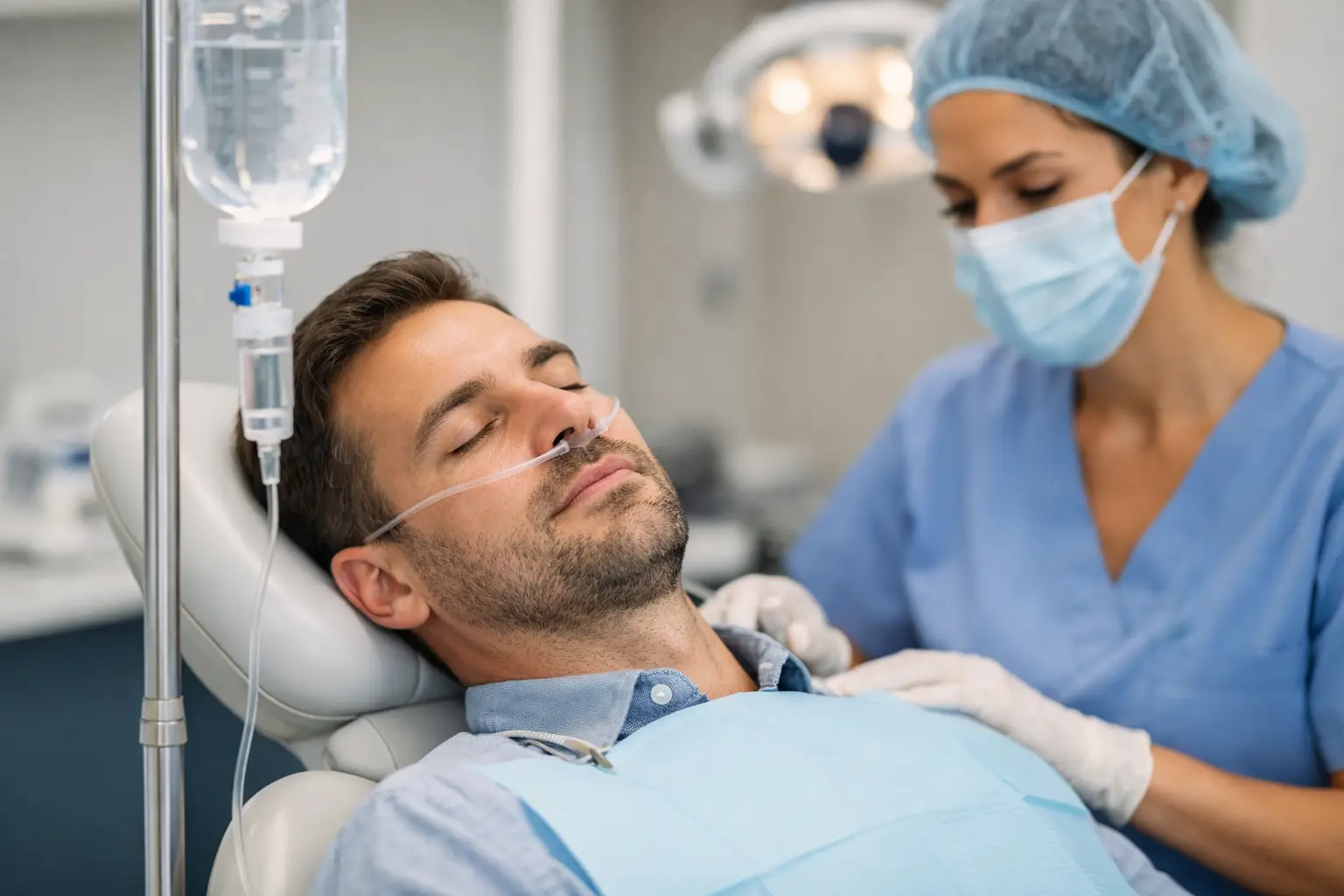
If you have ever postponed dental care because your heart starts racing before an appointment, working with an iv sedation dentist can change the entire experience. For many patients, fear is not just a matter of nerves. It can mean avoiding cleanings, putting off treatment, or waiting until a small problem becomes painful. IV sedation offers a calmer path forward, especially when comfort matters as much as the procedure itself.
What does an iv sedation dentist do?
An iv sedation dentist provides dental treatment while using medication delivered through a vein to help you feel deeply relaxed. You are still being monitored throughout the visit, but the experience often feels much easier and less stressful than staying fully alert through every sound, sensation, and step of treatment.
This option is different from local anesthetic, which only numbs the treatment area, and it is also different from nitrous oxide alone. Local anesthetic controls pain. IV sedation helps reduce anxiety, awareness, and tension. Many patients remember very little of the appointment afterward, which can be a major relief if dental visits have been difficult in the past.
That does not mean IV sedation is the right choice for every patient or every procedure. It is usually considered when anxiety is significant, treatment is lengthy, or multiple procedures are being completed in one visit.
Who usually benefits from IV sedation?
The most obvious group is patients with dental anxiety, but that is only part of the picture. Some people choose IV sedation because they have had a traumatic dental experience before. Others struggle with a strong gag reflex, have trouble sitting still for long appointments, or need oral surgery and want a more relaxed experience.
IV sedation can also make sense for busy adults trying to complete a larger treatment plan efficiently. If you need several procedures, combining care into fewer visits may be more practical than scheduling multiple shorter appointments and working up the courage each time.
For some families, this matters in a very real day-to-day way. Parents may be balancing work, school schedules, and other responsibilities. Seniors may want treatment completed with less physical strain. Students and professionals may simply want a smoother appointment that feels less overwhelming.
When an iv sedation dentist may be recommended
An iv sedation dentist may recommend this approach for treatments such as wisdom tooth removal, extractions, dental implants, periodontal procedures, or extensive restorative work. It can also be helpful if you need several fillings, crowns, or other treatments in one session.
The reason is not always the complexity of the dental work itself. Sometimes the deciding factor is how difficult treatment would feel without sedation. A relatively straightforward procedure can still be very hard for someone with severe anxiety or a sensitive gag reflex.
There is also a practical side to this. When a patient is relaxed, treatment can often proceed more smoothly. That may help reduce interruptions caused by discomfort, panic, jaw fatigue, or difficulty staying settled in the chair.
What the appointment usually feels like
A lot of fear around sedation comes from not knowing what to expect. In most cases, the process starts with a review of your medical history, medications, and overall suitability for sedation. You will also receive instructions before the appointment, which may include when to stop eating or drinking.
On the day of treatment, the sedation medication is administered through an IV. It usually works quickly. Patients often describe the feeling as drifting into a deeply relaxed state. You are not typically unconscious in the same way you would be under general anesthesia, but you are much less aware of the procedure and often feel sleepy and detached from what is happening.
During the visit, your breathing, pulse, blood pressure, and oxygen levels are monitored. This is one reason it is so important to choose a dental team that takes communication, planning, and safety seriously. Comfort matters, but so does careful clinical oversight.
Afterward, you will need someone to drive you home, and you should plan to rest for the remainder of the day. Most patients feel drowsy for a while and may not remember much about the appointment.
Is IV sedation safe?
For appropriate candidates, IV sedation is generally very safe when provided by trained professionals with proper monitoring and protocols. Still, safe does not mean casual. Your dentist will need to review your health history in detail and talk through any conditions, medications, or concerns that could affect sedation.
This is where honesty matters. If you have sleep apnea, breathing issues, heart conditions, medication sensitivities, or a history of complications with sedation, that information needs to be shared clearly. The goal is not to disqualify you. The goal is to choose the safest and most comfortable approach for your specific situation.
For some patients, another option may be better. Nitrous oxide may be enough for mild to moderate anxiety. For others, oral conscious sedation could be considered. IV sedation tends to offer a deeper and more controlled level of relaxation, but that does not automatically make it the best fit in every case.
The trade-offs patients should know about
IV sedation can make dental treatment far more manageable, but it helps to understand the trade-offs before deciding. The biggest benefit is obvious – less anxiety, less awareness of the procedure, and often a much easier overall experience.
At the same time, sedation requires more planning than a standard appointment. You may need to avoid food and drink beforehand, arrange transportation, and clear the rest of your day for recovery. There may also be additional costs depending on the treatment and sedation time involved.
Another point worth knowing is that sedation does not replace local anesthetic. Even when you are deeply relaxed, the treatment area still needs to be properly numbed for pain control. Sedation and local anesthetic work together, not interchangeably.
Patients sometimes assume sedation means zero memory and zero sensation every single time. In reality, experiences can vary. Many people remember very little. Some remember parts of the visit but feel calm enough that it does not bother them. A good consultation sets realistic expectations instead of overpromising.
Questions worth asking before you book
If you are considering sedation, it is reasonable to ask how the team evaluates candidates, what monitoring is used during treatment, how recovery works, and what kind of preparation is required. You can also ask whether your treatment could be completed in fewer visits with sedation, and whether a lighter option like nitrous oxide might be enough.
This conversation should feel clear and pressure-free. A trustworthy dental office will explain your options in plain language and help you weigh convenience, anxiety level, treatment needs, and cost.
That matters even more if you have been avoiding care for a long time. You do not need a lecture. You need a plan that feels possible.
Why comfort-focused dentistry matters
For anxious patients, comfort is not a luxury add-on. It can be the reason treatment finally happens. Delaying care often leads to bigger procedures later, more discomfort, and more stress. Sedation can break that cycle by making the first step feel manageable.
That is one reason many community dental practices now treat sedation as part of accessible, patient-friendly care rather than a rare specialty service. In a busy area like Burnaby, where patients are balancing jobs, school, family schedules, and financial decisions, making treatment easier to tolerate can have a real impact on whether people follow through.
At Burnaby Square Dental, that comfort-first mindset is part of helping patients feel welcome rather than judged. For some, that means a calm explanation and gentle care. For others, it means choosing IV sedation so they can get needed treatment without the fear taking over.
If dental anxiety has been running the show for years, it may be time to ask a different question. Not whether you can force yourself through another appointment, but whether there is a more comfortable way to get the care you need.
Frequently Asked Questions
What is IV sedation dentistry?
IV sedation dentistry uses medication delivered through a vein to help patients feel deeply relaxed during dental treatment while remaining safely monitored throughout the procedure.
Who is a good candidate for IV sedation?
IV sedation may benefit patients with dental anxiety, strong gag reflexes, past traumatic dental experiences, or those needing lengthy or multiple procedures in one visit.
Will I be asleep during IV sedation?
Most patients are not fully unconscious during IV sedation, but they feel very relaxed and often remember little or nothing about the procedure afterward.
Is IV sedation safe for dental procedures?
Yes, IV sedation is generally safe when provided by trained dental professionals who carefully monitor your breathing, heart rate, blood pressure, and oxygen levels during treatment.