A lot of people say they want a better smile, but what they usually mean is something more specific. Maybe they want whiter teeth before a wedding, to fix a chipped front tooth, or to feel less self-conscious about gaps, stains, or uneven edges. That is where examples of cosmetic dentistry become helpful. Once you know what treatments actually fall into this category, it gets much easier to understand your options and choose what fits your goals, budget, and comfort level.
Cosmetic dentistry is focused on improving the appearance of teeth and gums. In many cases, though, the benefits are not only cosmetic. Some treatments also improve comfort, bite balance, or long-term function. The right choice depends on what you want to change, how dramatic you want the result to be, and whether there are underlying dental issues that should be treated first.
What counts as examples of cosmetic dentistry?
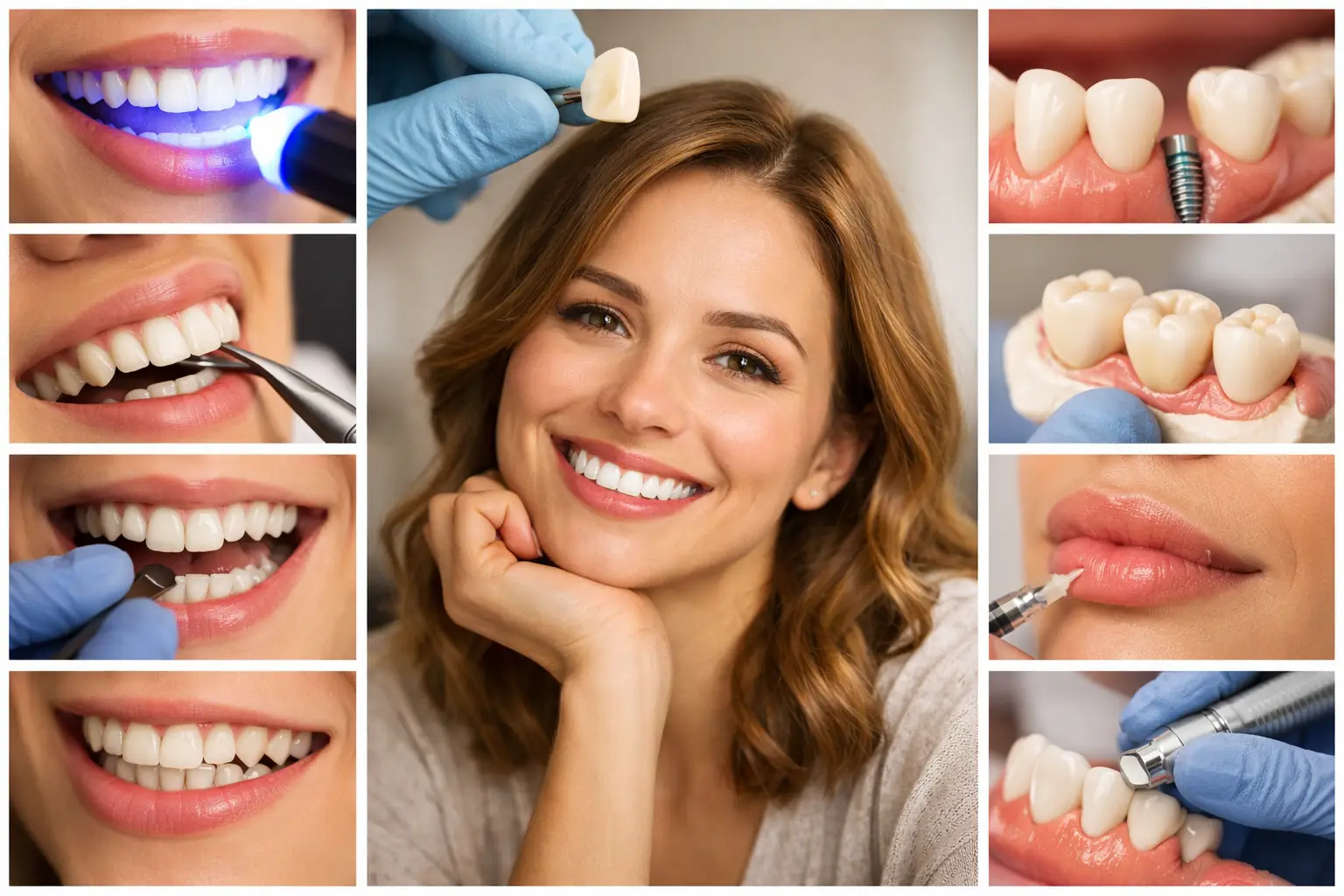
Cosmetic dentistry includes treatments that improve the color, shape, size, alignment, and overall look of your smile. Some are quick and conservative. Others involve a longer treatment plan and more planning. Here are some of the most common examples of cosmetic dentistry patients ask about.
Teeth whitening
Professional teeth whitening is often the first treatment people think of, and for good reason. It is one of the fastest ways to brighten a smile and can make a noticeable difference in a short time. Whitening is designed to reduce staining from coffee, tea, wine, tobacco, and normal aging.
That said, whitening is not the right answer for every kind of discoloration. Some deep stains respond less predictably, and crowns, veneers, or fillings will not whiten the way natural teeth do. If you have uneven dental work in visible areas, your dentist may talk through whether whitening alone will give you the look you want.
Dental veneers
Veneers are thin shells, usually made of porcelain, that are bonded to the front of teeth. They are commonly used to improve teeth that are stained, chipped, worn down, slightly crooked, or unevenly shaped. For patients looking for a more dramatic smile change, veneers can create a very polished result.
The trade-off is that veneers require careful planning and are not usually considered reversible, especially if enamel needs to be reshaped. They can be an excellent option when multiple concerns need to be addressed at once, but they are not always the first recommendation if a simpler treatment could do the job.
Dental bonding
Bonding uses a tooth-colored resin to repair chips, close small gaps, reshape teeth, or improve the look of discoloration. It is one of the more conservative cosmetic options and can often be completed in a single visit.
Bonding is appealing because it tends to cost less than veneers and usually preserves more of the natural tooth. The downside is that bonding material is generally not as stain-resistant or as long-lasting as porcelain. For small fixes, though, it can be a very practical choice.
Invisalign and clear aligners
Straightening teeth is not only about appearance, but it is absolutely part of cosmetic dentistry for many adults and teens. Clear aligners such as Invisalign are used to shift teeth gradually into better positions. Patients often choose them to correct crowding, spacing, or mild to moderate bite issues without the look of traditional braces.
This option works best when patients are consistent about wearing the aligners as directed. It also takes time, so it is not a quick cosmetic fix. But if the issue is alignment rather than color or shape, straightening the teeth first often creates the best foundation for any future cosmetic work.
Tooth-colored fillings
When a cavity or old filling is in a visible area, the type of restoration matters. Tooth-colored fillings blend in much more naturally than silver-colored materials and can improve the appearance of a tooth while also restoring it.
This is a good example of how cosmetic and restorative dentistry often overlap. A filling is primarily there to treat decay, but the material choice affects how natural the tooth looks afterward. For many patients, especially those with fillings that show when they smile or laugh, this small detail makes a real difference.
Dental crowns
Crowns are caps that cover damaged or weakened teeth. They are often used after large fillings, root canal treatment, cracks, or significant wear. While crowns are typically restorative first, modern all-ceramic and tooth-colored crowns can also improve the appearance of misshapen or severely discolored teeth.
A crown is usually recommended when a tooth needs more support than bonding or a veneer can provide. It is not the most conservative cosmetic option, but sometimes it is the most appropriate one if strength and appearance both matter.
Gum contouring
Sometimes the issue is not the teeth themselves but the gum line. If someone feels they have a gummy smile or uneven gums, gum contouring can reshape the tissue to create a more balanced appearance.
This treatment can have a big visual impact, especially when one tooth looks shorter than the others simply because of excess gum coverage. As with any procedure involving soft tissue, a careful exam matters. The goal is not just to remove gum tissue, but to create healthy, symmetrical results.
Dental implants for smile restoration
If a missing tooth affects your smile, a dental implant can be a cosmetic solution as well as a functional one. An implant replaces the root of the missing tooth and supports a custom crown that is designed to match the surrounding teeth.
Implants often feel like a major step compared with whitening or bonding, but they are one of the best long-term options for replacing missing teeth. They also help support jawbone health. Not every patient is an immediate candidate, though. Bone levels, gum health, and overall oral health need to be evaluated first.
Smile makeovers
A smile makeover is not one single treatment. It is a customized plan that combines multiple cosmetic procedures based on the patient’s goals. That might mean whitening plus bonding, Invisalign followed by veneers, or crowns and implants to rebuild both function and appearance.
This approach works well when there is more than one concern to address. It also allows the treatment plan to be staged over time. For patients who feel overwhelmed by the idea of changing their smile, a personalized step-by-step plan often feels more manageable than trying to figure it all out at once.
How to choose between different examples of cosmetic dentistry
The best treatment depends on the reason you are unhappy with your smile. If the main issue is color, whitening may be enough. If the concern is shape or chips, bonding or veneers might make more sense. If the teeth are crowded or uneven, alignment treatment could be the better first move.
Your timeline matters too. Some cosmetic treatments can be completed quickly, while others take months. Budget also plays a role, and there is nothing wrong with saying that up front. A good dental team will help you understand what is ideal, what is practical, and where a phased plan may help.
It is also worth thinking beyond photos. The most attractive result is not always the brightest or most dramatic one. Often, the best cosmetic dentistry looks natural, fits your face, and feels like your own smile on a better day.
When cosmetic treatment should wait
Not every smile concern should be treated cosmetically right away. If there is gum disease, active decay, a broken tooth, or bite instability, those issues usually need attention first. Cosmetic work tends to last longer and look better when it is built on a healthy foundation.
This is especially important for patients who have avoided the dentist for a while or who feel nervous about treatment. Starting with a comfortable exam and a clear conversation can make the process feel much less intimidating. In many cases, what seems like a purely cosmetic issue is connected to oral health in ways that are very treatable.
At Burnaby Square Dental, many patients are surprised to learn they have more than one path to the smile they want. Sometimes the best option is a simple touch-up. Sometimes it is a carefully planned combination of treatments that improves both appearance and confidence without making anything feel overdone.
If you have been searching for examples of cosmetic dentistry because you know you want a change but are not sure where to start, that uncertainty is normal. The helpful first step is not choosing a procedure on your own. It is having your teeth, gums, bite, and goals looked at together so the recommendation fits your smile, not just the trend of the moment.
A better smile does not have to mean a perfect smile. It just has to feel like one you are comfortable sharing.
Frequently Asked Questions
What are the most common examples of cosmetic dentistry?
Some of the most common examples of cosmetic dentistry include teeth whitening, dental veneers, dental bonding, Invisalign, tooth-colored fillings, dental crowns, gum contouring, and dental implants. These treatments are designed to improve the appearance of your smile while sometimes also supporting oral function and comfort.
Which cosmetic dental treatment is best for stained or discolored teeth?
Professional teeth whitening is often the best option for mild to moderate staining caused by coffee, tea, wine, smoking, or aging. For deeper discoloration or uneven tooth color that does not respond well to whitening, veneers or bonding may be recommended instead.
Can cosmetic dentistry improve both appearance and oral function?
Yes. Many cosmetic dentistry treatments also improve oral function. For example, Invisalign can help correct bite alignment, dental implants restore chewing ability, and crowns strengthen damaged teeth while improving their appearance.
How do I know which cosmetic dentistry treatment is right for me?
The right treatment depends on your smile goals, oral health condition, budget, and timeline. A dental examination helps determine whether you would benefit most from whitening, veneers, bonding, Invisalign, crowns, implants, or a customized smile makeover plan.