You usually know something feels off about your smile long before you can name the exact problem. Maybe your teeth look worn in photos, one front tooth has shifted, or old dental work no longer matches. A cosmetic dentistry smile makeover is designed for that kind of real-life situation – not just for dramatic before-and-after pictures, but for creating a smile that looks natural, feels comfortable, and fits your face.
The best smile makeovers are not one-size-fits-all. They are built around your goals, your oral health, your schedule, and your budget. For some people, that means whitening and minor reshaping. For others, it may involve Invisalign, veneers, crowns, gum contouring, or replacing missing teeth. What matters most is having a plan that improves appearance without ignoring function.
What a cosmetic dentistry smile makeover really means
A smile makeover is not a single treatment. It is a personalized combination of cosmetic and sometimes restorative dental procedures used to improve the look of your smile. That can include tooth color, shape, size, spacing, symmetry, and how much gum shows when you smile.
What surprises many patients is that aesthetics and health often overlap. If a chipped front tooth also has a weak filling, or if worn teeth affect your bite, cosmetic treatment may need to be paired with restorative care. That is often the difference between a short-term fix and results that hold up well over time.
This is also why two people asking for a “better smile” may get very different recommendations. One may be a good candidate for whitening and bonding. Another may need to straighten teeth first or replace old crowns before cosmetic work makes sense.
Who is a good candidate?
Most adults who want to improve the appearance of their smile can be candidates for a cosmetic dentistry smile makeover, but the starting point matters. Healthy gums, manageable decay, and a stable bite make cosmetic treatment more predictable. If there is gum disease, untreated cavities, or broken dental work, those issues usually need attention first.
That is not bad news. It simply means the plan should be built in the right order. Patients sometimes worry that needing foundational treatment will make a smile makeover impossible. In reality, it often makes the cosmetic result stronger and more natural.
A good candidate is also someone with clear priorities. You do not need to know which procedures you want, but it helps to know what bothers you most. Is it color? Crowding? Uneven edges? Missing teeth? The more specific your goals, the easier it is to create a treatment plan that feels worthwhile.
Treatments commonly included in a smile makeover
Teeth whitening
Whitening is often the simplest place to start. It can lift years of staining from coffee, tea, wine, and normal aging. For patients with generally healthy, well-shaped teeth, whitening alone can make a big difference.
Still, it has limits. Whitening does not change the shape of teeth, close gaps, or brighten crowns, fillings, or veneers. If you already have visible dental work in your smile line, your dentist may recommend a different sequence so the final shade looks even.
Dental bonding and contouring
Bonding uses tooth-colored material to repair chips, smooth irregular edges, and improve minor spacing issues. Contouring reshapes small areas of enamel for a cleaner, more balanced look. These options are conservative and often more affordable than veneers.
The trade-off is durability and stain resistance. Bonding can be excellent for the right case, but it may not last as long as porcelain in high-pressure areas or for patients who grind their teeth.
Veneers
Veneers are thin porcelain shells placed on the front surface of teeth to improve color, shape, size, and symmetry. They are popular because they can address multiple cosmetic concerns at once.
They are not the right answer for every patient, though. Veneers require planning, precision, and in many cases some enamel adjustment. If your concerns are mostly alignment-related, straightening teeth first may be the more conservative path.
Invisalign or clear aligners
If crooked, crowded, or spaced teeth are part of the problem, straightening them can improve your smile in a way that also benefits cleaning and bite function. Invisalign is often included in a smile makeover when patients want a more even appearance without traditional braces.
This option takes longer than whitening or bonding, but it can reduce the need for more invasive cosmetic work later. In many cases, moving teeth into better positions first allows for a more natural result with less reshaping.
Crowns and replacement of old dental work
Not all cosmetic concerns involve untouched natural teeth. Many patients are unhappy because old crowns, large fillings, or worn restorations no longer match. Replacing them can improve both appearance and strength.
This is especially relevant when front teeth have extensive damage. A crown may be the better choice if the tooth needs more support than a veneer can provide.
Gum contouring and tooth replacement
Sometimes the issue is not the teeth themselves but the balance between teeth and gums. Gum contouring can help if the gumline appears uneven or if too much gum shows when you smile.
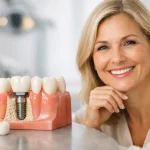
If one or more teeth are missing, a smile makeover may include implants, bridges, or dentures, depending on the situation. Cosmetic improvement is important, but so is restoring chewing ability and helping neighboring teeth stay stable.
Planning your cosmetic dentistry smile makeover
A thoughtful smile makeover starts with a conversation, not a sales pitch. Your dentist should ask what you want to change, what you want to keep natural-looking, and what concerns you may have about cost, timing, or discomfort. Photos, digital scans, X-rays, and a full exam help build a plan that fits your mouth rather than a trend.
From there, treatment is usually organized in phases. Health issues come first. Tooth movement, if needed, often happens before final cosmetic work. Whitening may be done before veneers or bonding so restorations can be matched to a brighter shade. That sequence matters more than many patients realize.
Good planning also includes discussing trade-offs. Faster treatment is not always the most conservative choice. The least expensive option may need more maintenance later. The most dramatic cosmetic change may not be the one that looks best with your facial features. A trustworthy dentist will talk through those details clearly.
What affects cost and timeline?
The cost of a cosmetic dentistry smile makeover depends on how many teeth are involved, which procedures are recommended, whether any health issues need treatment first, and how complex the bite or alignment is. A simple case may be completed relatively quickly. A more comprehensive makeover involving clear aligners, crowns, or implants can take months.
This can feel frustrating if you want immediate change, but slower is sometimes smarter. Rushing into veneers before addressing crowding or bite wear can create avoidable problems later. On the other hand, not every patient needs a long treatment plan. If your smile is healthy and the concerns are mostly cosmetic, small changes may deliver a big improvement.
If budget is part of the decision, say so early. That is a normal and practical part of treatment planning. In many cases, there is more than one way to approach the same goal, and phasing treatment can make care easier to manage.
Choosing results that still look like you
One of the most common concerns patients have is ending up with a smile that looks too perfect or obviously done. A well-executed smile makeover should enhance your features, not erase them. Natural translucency, tooth proportions, gum symmetry, and facial balance all matter.
This is where customization makes a difference. Some people want a brighter, more polished smile. Others want subtle refinements that nobody can quite identify. Both are valid. The right result is the one that matches your preferences and your comfort level.
If you are anxious about treatment, that deserves attention too. Cosmetic care should not feel intimidating. Clear explanations, gentle techniques, and comfort-focused options can make the process much easier, especially for patients who have been putting off treatment for years.
At a comprehensive practice like Burnaby Square Dental, the advantage is that cosmetic planning can be coordinated with general and restorative care in one place. That makes it easier to look at the whole picture instead of treating appearance as something separate from oral health.
When to move forward with a smile makeover
If you have been editing your smile out of photos, covering your mouth when you laugh, or postponing treatment because you are unsure where to start, that is usually the right time to ask questions. You do not need to commit to a full makeover to learn what your options are.
A good consultation should leave you feeling informed, not pressured. You should understand what is possible, what is necessary, and what can wait. The goal is not to chase perfection. It is to create a smile that feels healthier, more balanced, and more like you every time you see it in the mirror.
The most worthwhile smile changes are often the ones that make daily life easier – smiling in photos without thinking about it, speaking with more confidence, and feeling comfortable that your teeth look as good as they function.