A toddler needs a first checkup, a parent is overdue for a cleaning, and a grandparent wants to ask about dentures or implants. When all three can be cared for in the same office, with a team that understands each stage of life, that is usually what people mean when they ask, what is a family dental practice?
A family dental practice is a dental office that treats patients of different ages, often from early childhood through the senior years. Instead of focusing on just one age group or one type of treatment, a family practice is built to provide ongoing care for the whole household. That usually includes preventive care like exams and cleanings, routine restorative treatment such as fillings and crowns, and guidance that changes as your dental needs change over time.
What is a family dental practice designed to do?
At its core, a family dental practice is designed to make dental care simpler, more consistent, and more accessible for families and individuals alike. The goal is not just to fix a tooth when something goes wrong. It is to become a long-term dental home where patients can return for regular care, ask questions, and receive treatment that fits their age, health, comfort level, and schedule.
That broader role matters more than many people realize. Children need monitoring as their teeth erupt and their bite develops. Adults often need maintenance, fillings, gum care, or cosmetic options. Seniors may need more support with tooth wear, missing teeth, dry mouth, or restorations that have aged over time. A family practice is structured to manage that range without making patients feel like they need a different office for every stage of life.
For many patients, convenience is a major part of the appeal. Booking several family members in one place can save time. Records stay together. The dental team gets to know your health history, preferences, and any anxiety triggers. Over time, that familiarity can make appointments feel less stressful and more predictable.
How a family dental practice differs from other dental offices
Not every dentist’s office works the same way. Some practices are highly specialized. A pediatric office, for example, focuses on children. An orthodontic practice centers on braces or aligners. An oral surgeon handles more complex surgical procedures. Those offices serve an important role, and sometimes a referral is the right next step.
A family dental practice is different because it covers a wider range of everyday dental needs under one roof. That does not mean every possible treatment happens in-house at every clinic. It does mean the practice is set up to support ongoing care for multiple age groups and to coordinate treatment in a practical, patient-friendly way.
This is where details matter. One family practice may offer only basic cleanings and fillings, while another may provide a much broader scope of care, including pediatric dentistry, gum treatment, oral surgery, dentures, implants, emergency visits, cosmetic services, and sedation. If you are comparing offices, it is worth looking beyond the label and asking what services are actually available.
The main benefits for patients and families
The biggest benefit of a family dental practice is continuity. When the same team sees you regularly, they can notice changes earlier, track patterns over time, and tailor recommendations to your needs. That consistency is especially helpful for children, seniors, and patients who feel nervous about dental visits.
There is also a practical advantage. Parents do not have to juggle appointments at separate offices if a child needs a checkup and a parent needs a crown consultation. Working adults and students often prefer a practice that can handle preventive visits, urgent issues, and follow-up care without sending them all over town.
Comfort is another important piece. A good family dental office tends to focus on communication just as much as treatment. Patients want clear explanations, realistic options, and a calm environment. For someone with dental anxiety, that can make the difference between getting care on time and putting it off until a small issue becomes a painful one.
Affordability and access also come into play. Many patients look for a practice that offers direct insurance billing, financing options, or flexible scheduling, including evenings or weekends. These may sound like administrative extras, but for real families balancing work, school, and budgets, they often determine whether care feels manageable.
What services are usually included?
A family dental practice typically starts with preventive care. That includes dental exams, professional cleanings, digital imaging, oral cancer screenings, and education on home care. Preventive dentistry is the foundation because it helps reduce the need for more extensive treatment later.
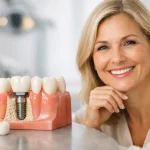
Most family practices also provide restorative care such as fillings, crowns, bridges, and root canal treatment. If a tooth is damaged, decayed, or infected, these services help restore comfort and function. Some offices also provide dentures, dental implants, and other tooth replacement options, which can be important for adults and seniors.
Depending on the practice, services may extend further into pediatric dentistry, gum care, extractions, emergency treatment, Invisalign, teeth whitening, and sedation dentistry. That broader range can be especially helpful for busy households because it reduces the need for outside referrals. Burnaby Square Dental, for example, is built around that full-service model, helping patients access preventive, restorative, surgical, periodontal, pediatric, and cosmetic care in one welcoming setting.
Still, there are trade-offs. A broad-service family practice can be ideal for convenience and continuity, but some highly complex cases may still require a specialist. That is not a weakness. It is part of good dental care. A trustworthy family dentist knows when to treat in-house and when a referral will give the patient the best outcome.
Who should choose a family dental practice?
Families with children are the obvious fit, but they are not the only ones. A family dental practice also makes sense for single adults who want one reliable office long term, students who need flexible and straightforward care, seniors who want a team familiar with age-related dental concerns, and anxious patients who value a gentle, stable environment.
It can be especially useful if you expect your needs to change over time. Someone may start with routine cleanings, later need a filling, then ask about Invisalign, whitening, or replacing a missing tooth. A family-focused office can often support that journey without making the patient start over somewhere new.
Patients who value convenience tend to appreciate family practices the most. If weekend appointments, emergency availability, multilingual communication, insurance support, and financing matter to you, a well-run family office can remove a lot of the friction that keeps people from booking care.
Signs you have found the right family dental practice
A good family dental practice does more than advertise that it sees all ages. It creates an experience that feels organized, welcoming, and clear from the first contact. Staff should be able to explain services in plain language, help with scheduling, and make patients feel comfortable asking questions.
The best offices are also transparent. They explain treatment options, discuss costs before starting major work, and respect that patients may need time to make decisions. That is especially important for larger treatments like crowns, implants, gum procedures, or sedation-supported care.
Look for a practice that balances clinical breadth with a calm bedside manner. Modern technology matters, but so does the human side of care. Gentle appointments, personalized planning, and patience with nervous patients are not small details. They are part of what makes a family practice feel dependable.
It is also worth considering whether the office reflects the community it serves. For many patients, multilingual support and culturally aware communication make care feel more comfortable and more accessible. When people understand their options clearly, they are more likely to follow through with treatment and preventive visits.
What is a family dental practice really about?
In the end, the answer is not just that it treats both kids and adults. What is a family dental practice really about? It is about having one trusted place for preventive care, treatment, guidance, and support through different seasons of life.
That kind of relationship can make dental care feel less like a series of isolated appointments and more like part of staying healthy. Whether you are bringing in a child for a first visit, managing a dental emergency, or planning long-term work for your own smile, it helps to know your dentist is equipped to meet you where you are, explain what comes next, and make the process feel a little easier.
Frequently Asked Questions
1: What is a family dental practice?
A family dental practice is a dental office that provides care for patients of all ages, from children to seniors. It offers a wide range of services, including preventive, restorative, cosmetic, and emergency dental care, making it convenient for the whole family to visit one location.
2: What services does a family dental practice usually provide?
Most family dental practices offer dental exams, cleanings, fillings, crowns, root canals, dentures, dental implants, gum care, emergency dentistry, and cosmetic treatments. Some offices may also provide pediatric dentistry, Invisalign, and sedation options.
3: Why do families choose a family dental practice?
Families often choose a family dental practice because it provides convenience, continuity of care, and a familiar environment. Having one dental office for multiple family members can simplify scheduling, improve communication, and help patients feel more comfortable during visits.
4: Can a family dental practice treat both children and seniors?
Yes, family dental practices are designed to care for patients at every stage of life. They can monitor children’s dental development, help adults maintain oral health, and support seniors with issues such as missing teeth, dentures, tooth wear, and gum health.