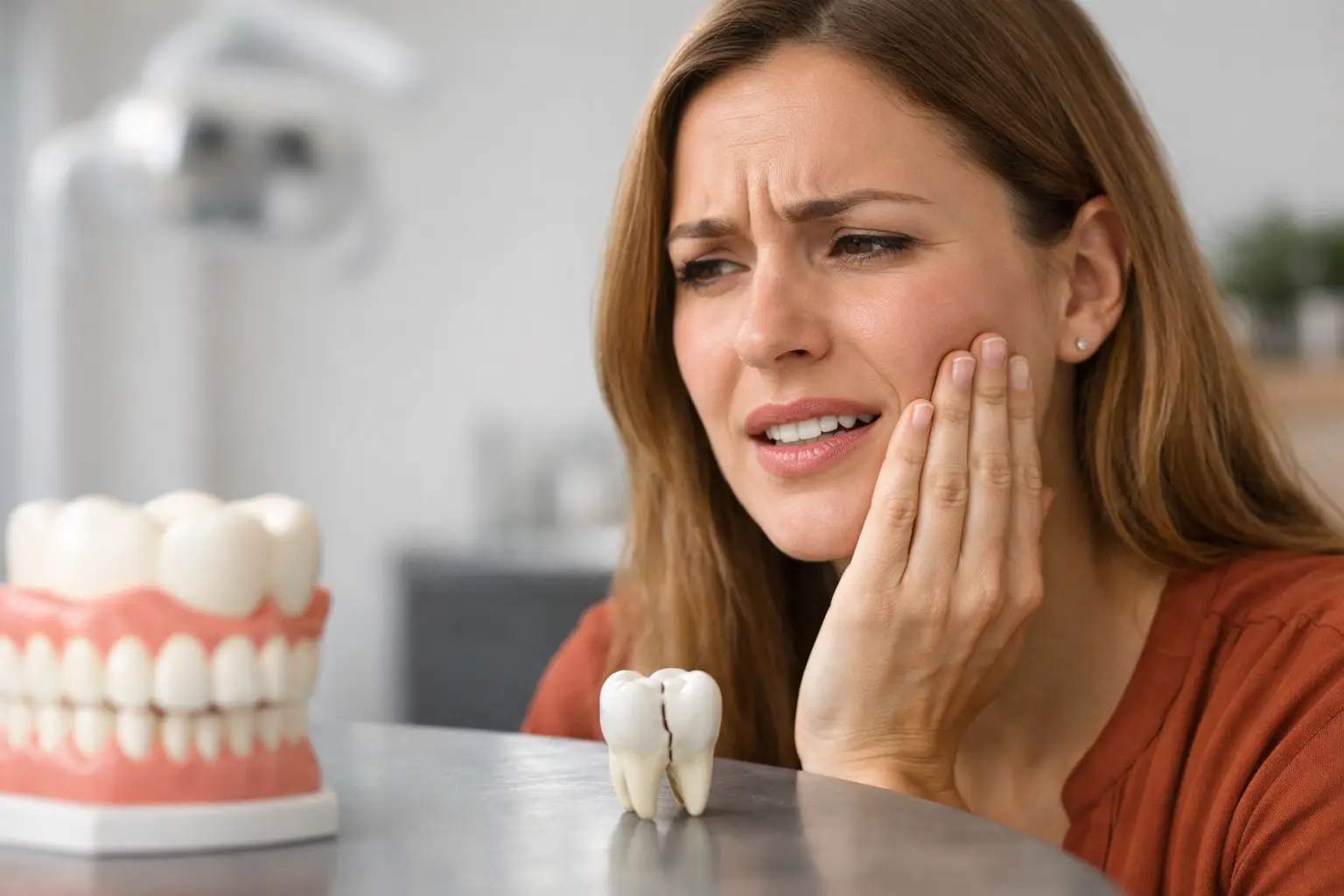
You bite down on something ordinary – toast, popcorn, a hard candy – and feel a sharp zing in one tooth. Then it fades. Later, it happens again. That is often when people start asking, can a cracked tooth heal? It is a fair question, especially if the pain comes and goes, but the short answer is no. Unlike skin or bone, a tooth cannot repair a crack by itself.
That does not mean every cracked tooth leads to a major dental problem. Some cracks are small and manageable. Others need prompt treatment to keep the damage from spreading, protect the nerve, and save the tooth. The key is knowing the difference and getting it checked before a minor issue turns into an emergency.
Can a cracked tooth heal naturally?
A natural tooth does not regenerate the way other parts of the body can. Enamel is incredibly strong, but once it cracks, it cannot grow back or fuse together. Dentin, the layer under the enamel, also does not seal a fracture the way a broken bone heals.
What can happen is that symptoms improve for a while. If the crack is small or you stop chewing on that side, the tooth may feel better temporarily. That can create the impression that it is healing. In reality, the crack is still there, and everyday biting forces can make it worse over time.
This is one reason cracked teeth are easy to ignore. The discomfort is often inconsistent. You may only feel pain when releasing your bite, eating something cold, or chewing a certain way. That stop-and-start pattern does not mean the tooth is getting better. It usually means the crack is moving slightly under pressure.
Why cracked teeth usually get worse, not better
Your teeth work hard every day. Chewing, grinding, clenching, and temperature changes all put stress on them. When a tooth already has a weak spot, those normal forces can deepen the crack.
Sometimes the crack stays in the outer enamel and causes limited symptoms. Sometimes it travels inward toward the pulp, where the tooth’s nerve and blood supply sit. Once that happens, pain often becomes more noticeable, and the treatment may become more involved.
There is also a risk of the crack extending below the gumline or splitting the tooth into separate segments. At that point, saving the tooth may be much more difficult. That is why early diagnosis matters so much. Conservative treatment is often possible when a crack is found early.
Signs your cracked tooth needs attention
Not every crack looks dramatic. In fact, many are hard to see without a dental exam. What people notice first is usually how the tooth feels.
Common symptoms include pain when chewing, sensitivity to cold or sweets, discomfort that comes and goes, swelling around the tooth, or a rough edge you can feel with your tongue. Some people notice pain when they release their bite rather than when they bite down.
A cracked tooth can also be painless, at least at first. That does not make it harmless. If you know you chipped, fractured, or stressed a tooth, it is still worth having it evaluated.
If you have severe pain, visible swelling, bleeding around the tooth, or part of the tooth has broken off, it is best to seek dental care as soon as possible. Those signs can point to a deeper fracture or nerve involvement.
Different kinds of cracks matter
When patients ask, can a cracked tooth heal, part of the answer depends on what kind of crack they actually have. The term cracked tooth covers several situations, and they do not all behave the same way.
Craze lines are tiny surface lines in the enamel. They are common, often cosmetic, and usually do not require treatment unless they affect appearance or develop into something more significant.
A fractured cusp often happens around a filling. In many cases, this type of break does not involve the pulp and can be treated with a filling or crown.
A true cracked tooth usually starts at the chewing surface and extends vertically. These can be more serious because the crack may deepen over time and reach the nerve.
A split tooth is more advanced. The tooth has separated into distinct parts, and saving it becomes less predictable.
A vertical root fracture begins in the root and may not be obvious right away. These can be especially tricky because symptoms may be subtle until infection develops.
This is why a professional exam matters. Two teeth may both feel “cracked” to a patient, but the right treatment can be very different.
What a dentist can do for a cracked tooth
Treatment depends on the size, depth, and location of the crack, as well as whether the nerve is affected. The goal is to protect the tooth, stop the crack from worsening, and restore comfortable function.
For smaller cracks, bonding may be enough to seal and reinforce the area. If a larger portion of the tooth is weakened, a crown is often the best option. A crown covers the tooth and helps hold it together while restoring its shape and strength.
If the crack has reached the pulp and the nerve is inflamed or infected, root canal treatment may be recommended before placing a crown. This can relieve pain and help preserve the remaining tooth structure.
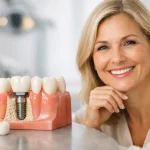
In some cases, the crack is too deep or extends below the gumline in a way that cannot be predictably repaired. When that happens, extraction may be the safest choice. If a tooth does need to be removed, replacement options such as a dental implant or bridge can restore your bite and appearance.
The good news is that many cracked teeth can be treated successfully, especially when they are addressed early.
What to do right away if you think your tooth is cracked
If you suspect a crack, try not to test it repeatedly by chewing on it. That usually makes things worse. Avoid hard, crunchy, sticky, or very cold foods until you can be seen.
If the area is sore, you can rinse gently with warm water and keep the mouth clean. If there is swelling, a cold compress on the outside of the cheek may help. Over-the-counter pain relief may also be appropriate for some people, as long as they use it as directed and it is safe for them medically.
If you grind your teeth at night or clench during the day, mention that during your appointment. Ongoing pressure is a common factor in cracked teeth, and protecting the tooth long term may involve a night guard.
Can you leave a cracked tooth alone if it does not hurt?
This is where things get tricky. A painless crack is not always an urgent emergency, but it should not be ignored. Teeth do not always give clear warnings early on. By the time pain becomes constant, the crack may already be deeper.
There are cases where a minor enamel crack only needs monitoring. There are also cases where a tooth that seemed “fine” one week develops significant pain the next. Without an exam and X-rays, it is hard to know where your situation falls.
For busy adults, students, and parents juggling schedules, it is tempting to wait and see. The problem is that waiting can narrow your treatment options. A simpler repair today may prevent a more invasive procedure later.
How to lower your risk of future cracks
Some cracked teeth happen from obvious trauma, but many come from accumulated stress. Large fillings, untreated cavities, teeth grinding, chewing ice, and biting hard foods can all raise the risk.
Regular dental exams help catch worn fillings, weak cusps, and bite issues before they become bigger problems. If you clench or grind, a custom night guard can make a meaningful difference. If one tooth keeps taking too much force when you bite, adjusting the bite may help protect it.
Everyday habits matter too. Avoid using your teeth to open packages, and be cautious with hard candies, popcorn kernels, and ice. These small choices can prevent a painful and expensive surprise.
A cracked tooth will not heal on its own, but that does not mean you are out of options. In many cases, prompt care can relieve discomfort, protect the tooth, and keep treatment straightforward. If something feels off when you bite, chew, or drink something cold, trust that signal and get it checked. A calm, early visit is usually much easier than waiting for the crack to make the decision for you.