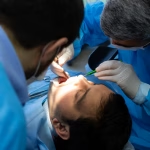
If it has been a while since you last saw a dentist, the hardest part is often not the appointment itself. It is wondering what you will be told, whether anything will hurt, and whether you will feel judged for putting it off. A new patient dental exam is designed to replace that uncertainty with a clear, personal plan for your oral health – at a pace that feels comfortable for you.
At Burnaby Square Dental, the goal is not to rush through a checklist. Your first visit is a chance to understand your needs, answer your questions, and help you make informed decisions about your smile. Whether you are booking routine care, bringing in a child, managing a dental concern, or returning after years away, you deserve a welcoming and stress-free experience.
Why Your First Dental Visit Matters
A dental problem does not always cause pain right away. Early cavities, gum inflammation, worn enamel, cracks, and signs of grinding can develop quietly. Finding concerns early may mean a simpler treatment, less discomfort, and fewer unexpected expenses later.
Your first exam also gives your dentist a useful baseline. The appearance of your teeth is only one part of the picture. Your gums, bite, jaw function, existing dental work, home care habits, medical history, and goals all help shape the right recommendations for you.
This is especially helpful when you are new to the area, changing dentists, or looking for a practice that can care for your whole family over time. A thorough first visit creates continuity, so changes can be noticed and addressed sooner at future appointments.
Your New Patient Dental Exam, Step by Step
Every patient arrives with a different history, so the details of your visit can vary. Still, most first appointments follow a calm, straightforward process.
A conversation about your health and concerns
Before examining your teeth, your dental team will want to hear from you. You may be asked about medications, allergies, medical conditions, past dental treatment, and any sensitivity or pain you have noticed. Be open about dental anxiety, a strong gag reflex, difficulty getting numb, or an unpleasant past experience. These details are useful, not embarrassing.
This is also the time to share what you want from your care. Perhaps you are concerned about bleeding gums, want a brighter smile, need to replace a missing tooth, or simply want to get back on track with cleanings. There is no need to know the dental terminology. Explaining what you have noticed and what matters to you is enough.
X-rays when they are useful
X-rays allow the dentist to see areas that cannot be evaluated by looking in your mouth alone, including between teeth, below the gumline, around roots, and beneath existing fillings or crowns. They can help identify decay, infection, bone changes, impacted teeth, and other concerns at an earlier stage.
Not every patient needs the same images at every visit. The decision depends on factors such as your age, dental history, current symptoms, risk for decay, and how recently usable X-rays were taken. If you have recent images from another office, let the team know. When appropriate, they may help avoid unnecessary repeat imaging.
A careful exam of teeth, gums, and bite
Your dentist will examine each tooth and any existing restorations, such as fillings, crowns, bridges, implants, or dentures. They will check for cavities, chips, cracks, wear, and signs that older dental work needs attention.
Your gums matter just as much. Healthy gums support your teeth, but gum disease can progress with few noticeable symptoms. The exam may include measuring the space between your teeth and gums, checking for inflammation or bleeding, and evaluating bone support. If you have persistent bad breath, bleeding when brushing, or gums that seem to be receding, mention it during your appointment.
The dentist may also assess your bite, jaw joints, and signs of clenching or grinding. Headaches, jaw soreness, flattened teeth, and a chipped tooth can sometimes point to pressure that needs to be managed before it causes more damage.
A cleaning or hygiene plan
Many new patients also receive a dental cleaning during their first visit, but this depends on the time available and what your gums need. A routine cleaning removes plaque and tartar above the gumline. If there is more significant buildup or active gum disease, a deeper periodontal cleaning may be recommended instead.
That distinction can feel surprising, but it is not a sales tactic. Different gum conditions require different levels of care. Your team should explain why a particular cleaning is recommended, what it involves, and what it may cost before treatment begins.
Clear recommendations, with room to decide
After the exam, your dentist will discuss the findings in plain language. If treatment is needed, you should understand the reason for it, the likely benefits, the timing, and the alternatives. Some concerns need prompt attention, such as an infection, severe pain, or a broken tooth. Others can be monitored or planned around your schedule and budget.
A good treatment plan is practical. It considers what is clinically necessary, what is most urgent, and what you are comfortable pursuing. For example, a cracked tooth may need a crown to prevent a larger fracture, while cosmetic whitening can wait until your teeth and gums are healthy. There is often more than one reasonable path forward.
How to Prepare for a Comfortable Visit
You do not need to do anything complicated before your appointment. Brush and floss as you normally would, arrive a few minutes early for paperwork, and bring a list of medications if that is easier than recalling them from memory. If you have dental insurance information, bring it along so the office can help you understand your coverage and expected costs.
Write down questions in advance if you tend to forget them in the chair. Useful questions may include whether a problem is urgent, what could happen if you wait, which treatment options are available, and how many visits may be needed. Clear answers make it easier to choose with confidence.
If you are anxious, say so when you book. Simple adjustments can make a real difference: extra time to talk, frequent breaks, a clear stop signal, and explanations before each step. For patients who need more support, nitrous oxide or IV sedation may be options for certain treatments. The right approach depends on your health history, the procedure, and your comfort level.
What a First Exam Can Tell You About Your Overall Health
Your mouth can reveal patterns that deserve attention beyond dentistry. Dry mouth may be related to medications. Enamel erosion can be associated with acid exposure or reflux. Repeated inflammation may make it worth discussing broader health factors with your physician.
A dental exam is not a substitute for medical care, but it is one more opportunity to notice changes early. That is one reason regular visits are valuable even when your teeth feel fine.
Questions Patients Often Ask
Will the exam hurt?
A standard exam and X-rays should not be painful. If your gums are tender, you may feel some sensitivity during the assessment or cleaning, but tell the hygienist right away. Gentle care starts with adjusting to your comfort, not expecting you to tolerate pain.
What if I have not been to the dentist in years?
You are not alone, and you will not be judged. The purpose of the visit is to understand where things stand now. Your team can prioritize urgent concerns first and create a realistic plan for everything else.
How long does a new patient appointment take?
Timing varies based on your records, X-rays, gum health, questions, and whether a cleaning is completed that day. Booking staff can give you a more specific estimate when you schedule, especially if you have pain, anxiety, or a particular concern that needs extra time.
A first dental visit should leave you feeling more informed than worried. When you know what is happening in your mouth and have a caring team to guide the next step, protecting your smile becomes much easier to manage.