A cracked tooth at dinner, a child with a knocked-out tooth after practice, swelling that seems to get worse by the hour – dental emergency care matters most in the moments when people are stressed, in pain, and not sure what to do next. The right first steps can reduce pain, protect the tooth, and help your dentist treat the problem more effectively.
Not every dental problem needs same-day treatment, but some do. The challenge is that many emergencies start small. A dull toothache can turn into intense pain overnight. A loose crown may seem manageable until the exposed tooth becomes sensitive or breaks further. Knowing when to act quickly can save time, money, and sometimes the tooth itself.
What counts as dental emergency care?
Dental emergency care is treatment for urgent oral health problems that should not wait for a routine appointment. The goal is usually to stop bleeding, control pain, treat infection, protect the tooth or gums, and prevent the problem from getting worse.
Common dental emergencies include severe toothaches, broken or cracked teeth, knocked-out teeth, swelling in the gums or face, dental abscesses, uncontrolled bleeding, lost fillings or crowns that cause pain, and injuries to the lips, cheeks, tongue, or jaw. Some situations are clearly urgent. Others depend on the level of pain, the amount of swelling, and how likely the issue is to worsen quickly.
A mild chip with no pain may be uncomfortable but not truly urgent. On the other hand, a fracture that exposes the inner part of the tooth usually needs prompt care. A lost crown might wait a day in some cases, but not if the tooth underneath is very sensitive or damaged. It depends on the symptoms, not just the label.
When you should call a dentist right away
Pain is one of the clearest signals, but it is not the only one. If you have significant swelling, bleeding that does not stop, signs of infection, trauma to the mouth, or a tooth that has been knocked loose or out, contact a dental office as soon as possible.
Facial swelling deserves special attention. Swelling can point to infection, and infections in the mouth do not always stay contained. If swelling affects breathing, swallowing, or your ability to open your mouth normally, that goes beyond routine urgent dental care and should be treated as a medical emergency.
Fever, a bad taste in the mouth, pus near a tooth, and throbbing pain can also suggest an abscess. Waiting can make treatment more complicated. In these cases, fast attention is not just about comfort. It can protect your overall health.
What to do before your appointment
The time between the injury and the appointment matters. Simple steps at home can make a real difference.
For a knocked-out permanent tooth, pick it up by the crown, not the root. If it is dirty, rinse it gently with milk or saline if available. Do not scrub it. If you can place it back into the socket safely, do so gently. If not, keep it moist in milk or inside the mouth between the cheek and gums if the person is old enough to do that safely. Time matters here. The sooner the tooth is treated, the better the chance of saving it.
For a broken tooth, rinse with warm water and save any pieces if you can. A cold compress on the outside of the face can help with swelling. Avoid chewing on that side.
For a severe toothache, rinse with warm salt water and gently floss if food may be trapped between teeth. Do not place aspirin directly on the gums or tooth. It can irritate the tissue. Over-the-counter pain relief may help, but it should not replace an exam when the pain is intense or persistent.
If a crown or filling falls out, keep the area clean and avoid sticky or hard foods. If the tooth is sharp or sensitive, dental wax from a pharmacy can sometimes offer temporary protection.
Dental emergency care for children
Children do not always describe pain clearly, so parents often have to watch for behavior changes. Crying while eating, refusing cold foods, touching the mouth repeatedly, swollen gums, or trouble sleeping can all signal a dental problem that needs quick attention.
A knocked-out baby tooth is different from a knocked-out adult tooth. In most cases, a baby tooth is not placed back into the socket because of the risk of damaging the developing permanent tooth. Still, the child should be seen promptly to check for injury to the gums, bone, or nearby teeth.
With children, urgency also depends on comfort and cooperation. A minor chip may seem small, but if the child is in pain or cannot eat normally, it deserves faster care. A calm dental team can make a big difference, especially when the child is frightened and the parent is trying to sort out what happened.
What happens during an emergency dental visit
People often assume an emergency visit means a full procedure right away. Sometimes it does. Sometimes the first goal is to diagnose the problem, relieve pain, and stabilize the area so definitive treatment can happen under the right conditions.
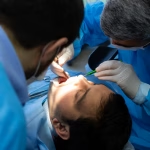
Your dentist will usually examine the tooth, gums, and surrounding tissues, ask how the injury or pain started, and take X-rays if needed. From there, treatment may include draining an abscess, prescribing medication, placing a temporary or permanent restoration, smoothing a broken tooth, repositioning a loose tooth, performing root canal treatment, or removing a tooth that cannot be saved.
This is one reason comprehensive practices can be especially helpful in urgent situations. If the office can handle restorative care, oral surgery, pediatric treatment, and sedation in one place, patients often spend less time coordinating next steps while they are already in pain.
Why anxiety often makes emergencies feel worse
Dental emergencies are stressful even for people who usually handle appointments well. For patients with dental anxiety, the fear can delay care until the problem becomes more severe.
That delay is understandable, but it comes with trade-offs. A cavity that could have been treated with a filling may progress to nerve pain. A cracked tooth that might have been restored may split further. An infection that starts as localized discomfort can become swelling that affects daily life.
A gentle approach matters here. Clear explanations, a calm environment, and options for comfort support can make emergency treatment much more manageable. For some patients, nitrous oxide or IV sedation may be appropriate, especially if the pain is severe, the procedure is complex, or past dental experiences have made treatment difficult.
Can dental emergencies wait until the weekend is over?
Sometimes yes, sometimes no. That is why access matters. Weekend availability can be more than a convenience for working adults, students, and families juggling school and job schedules. It can prevent people from putting off treatment simply because they cannot miss work or find childcare.
If the problem is mild sensitivity from a lost filling and you can keep the tooth protected, waiting briefly may be reasonable. If you have swelling, trauma, severe pain, or signs of infection, waiting is riskier. In those cases, being able to reach a dental team quickly can make the difference between a straightforward fix and a more involved procedure later.
For many patients in Burnaby and nearby communities, that practical side of care matters just as much as the clinical side. The best emergency dental experience is not only skilled. It is also responsive, clear, and easy to access when life is already off track.
How to reduce your risk of needing dental emergency care
Not every emergency can be prevented, but many can. Mouthguards during sports, avoiding chewing ice and hard candies, keeping up with routine exams, and treating small dental problems early all lower the odds of a painful surprise.
Grinding is another common factor. Teeth weakened by clenching and grinding are more likely to crack, especially around older fillings. If you wake up with jaw tension, headaches, or worn teeth, it is worth bringing up before it becomes an urgent problem.
The same goes for crowns, fillings, and dentures that feel loose. Dental work often gives warning signs before it fails completely. Acting early is usually easier than dealing with the problem after a weekend trip, holiday meal, or late-night accident.
When an emergency does happen, try not to guess your way through it. Call a dentist, explain the symptoms clearly, and follow the instructions you are given. A trusted office such as Burnaby Square Dental can help you understand whether you need immediate treatment, same-day care, or short-term steps until your visit. In stressful moments, that kind of clarity can be just as valuable as the treatment itself.