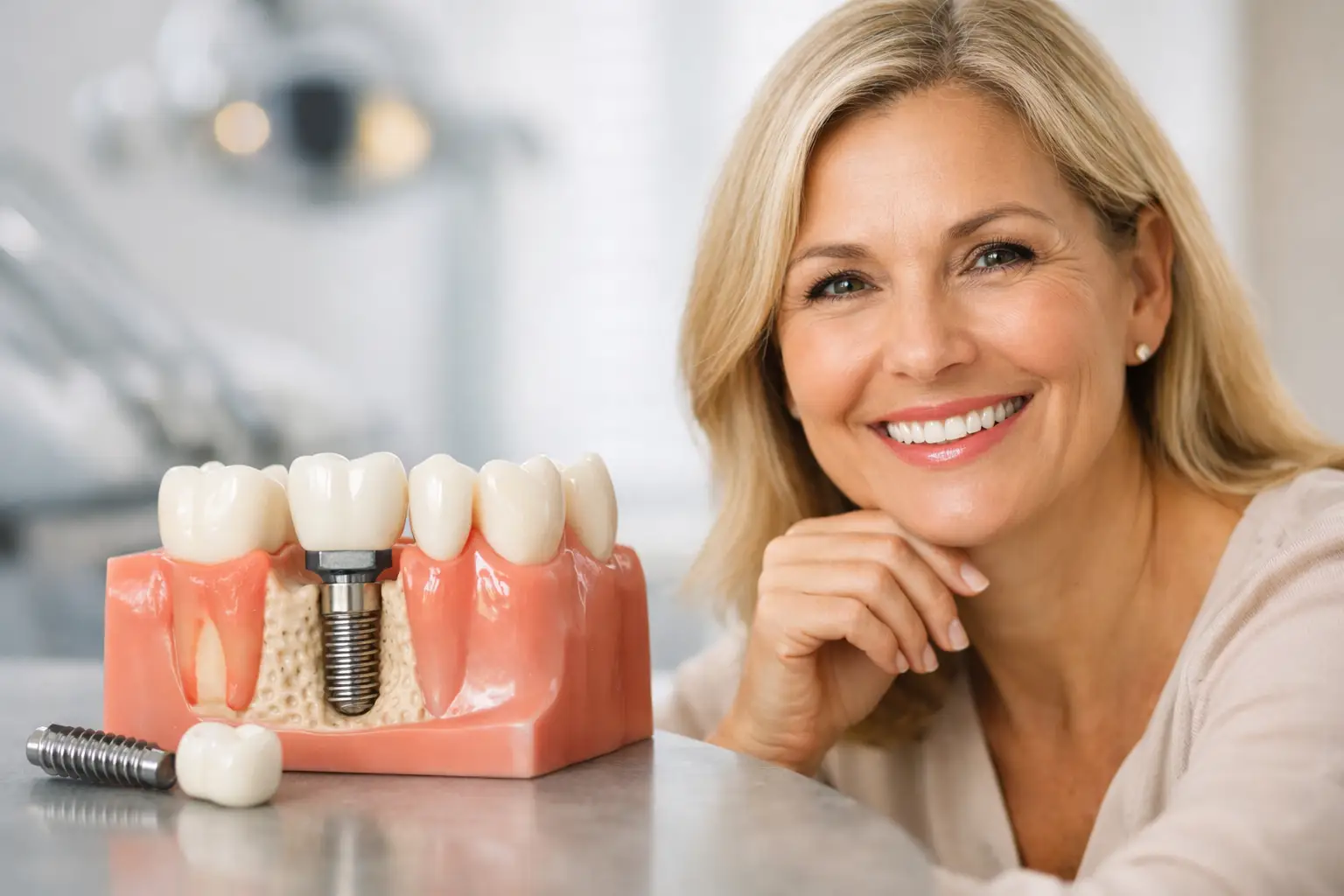
Losing a tooth changes more than your smile. It can make chewing awkward, affect the way you speak, and leave you thinking twice before laughing in photos. For many patients, dental implants for missing teeth are the option that feels closest to having a natural tooth again – stable, secure, and built to last.
If you have been told you need to replace one tooth or several, it helps to know what implants actually do, what treatment involves, and whether they are the right fit for your health, budget, and comfort level. The short answer is that implants can be an excellent solution, but not every case is identical. Your bone levels, gum health, timeline, and goals all matter.
What are dental implants for missing teeth?
A dental implant is a small post, usually made of titanium, that is placed in the jawbone where a tooth root used to be. Once it heals and bonds with the bone, it supports a restoration such as a crown, bridge, or denture. That is what makes dental implants for missing teeth different from removable options – they are anchored in place rather than sitting on top of the gums.
A single missing tooth may be replaced with one implant and one crown. If several teeth are missing, implants can support a bridge. If all teeth in an arch are missing, implants may also be used to stabilize a full denture. The best choice depends on how many teeth are missing, where they are located, and how much healthy bone is available.
Why many patients prefer implants
The biggest appeal is stability. An implant does not shift the way a loose denture can, and it does not rely on neighboring teeth for support the way a traditional bridge does. That can make everyday life feel more comfortable, especially when eating foods with texture or speaking for long periods.
There is also a long-term health benefit. After a tooth is lost, the jawbone in that area can begin to shrink over time because it is no longer being stimulated by a tooth root. An implant helps preserve bone by replacing that function. This does not mean implants stop every change in the mouth, but they can help reduce the bone loss that often follows tooth loss.
Cosmetically, implants are designed to blend in with your smile. When planned well, the crown is shaped and shaded to match your surrounding teeth. Most people are not looking for a tooth that simply fills a gap. They want something that feels natural and does not draw attention.
Who is a good candidate?
Many healthy adults can qualify for implants, but there is no one-size-fits-all answer. A good candidate generally has healthy gums, enough jawbone to support the implant, and habits that support healing. If you have gum disease, untreated cavities, or active infection, those issues usually need to be addressed first.
Bone loss is common, especially if the tooth has been missing for a while. That does not always rule implants out. In some cases, a bone graft can rebuild the area enough to support treatment later. Smokers, patients with uncontrolled diabetes, and people with certain medical conditions may still be candidates, but they often need closer planning and a frank discussion about healing and success rates.
For anxious patients, comfort matters just as much as eligibility. If fear has kept you from replacing a tooth, that is worth bringing up early. A caring dental team can talk you through sedation and pain control options so the process feels more manageable.
What the implant process usually looks like
Planning and evaluation
The first step is a full exam, along with imaging to check bone levels, tooth position, and the health of the surrounding tissues. This is where your dentist decides whether you are ready for implant placement or whether you need preparatory treatment first, such as an extraction, gum care, or bone grafting.
This stage is also when you talk through practical concerns like cost, timing, and appearance. Some patients want the fastest route to replacing a visible front tooth. Others are more focused on long-term durability in a back chewing area. Those priorities can affect the treatment plan.
Implant placement
The implant post is placed into the jawbone during a minor surgical procedure. Many patients are surprised that this appointment is often more straightforward than they expected. The area is numbed well, and sedation may be available for those who want a more relaxed experience.
After placement, the implant needs time to heal and bond with the bone. This process, called osseointegration, usually takes a few months. During that time, you may wear a temporary tooth replacement depending on the location and your treatment plan.
Final restoration
Once healing is complete, the final crown, bridge, or denture is attached. This is the part you see above the gumline. A well-made restoration should look natural, fit comfortably, and allow you to bite without strain.
How long do implants last?
Implants are known for durability, but they are not maintenance-free. The implant post itself can last many years, often decades, when cared for properly. The restoration on top may eventually need repair or replacement due to normal wear.
Daily brushing, flossing, and routine dental visits still matter. Gum inflammation around an implant can lead to bone loss if it is ignored. In other words, an implant cannot get a cavity, but it can still develop problems if the surrounding tissues are not kept healthy.
Are dental implants painful?
This is one of the most common questions, and it is understandable. Most patients report that implant placement feels easier than they expected. During the procedure, the area is numb. Afterward, some soreness, swelling, or mild discomfort is normal for a few days, but this is often manageable with standard aftercare and medication.
The bigger issue for many people is anxiety, not pain. If dental treatment makes you nervous, ask about options that can help you feel calmer. A welcoming environment, clear explanations, and sedation support can make a major difference in how the experience feels from start to finish.
Implants vs. bridges and dentures
Implants are often seen as the premium option, but that does not automatically make them the best choice for every patient. A bridge may be faster in some cases, and a denture may be the more realistic option when budget is the main concern or when full-arch tooth loss is involved.
The trade-off is in function and longevity. Bridges may require reshaping nearby teeth. Dentures can be effective, but some patients find them less secure, especially on the lower arch. Implants usually offer the strongest combination of stability, bone support, and natural feel, but they involve surgery, healing time, and a higher upfront cost.
That is why the right question is not just, “What is best?” It is, “What is best for your mouth, your health, and your life right now?”
What affects the cost?
The price of implant treatment varies because the procedure is customized. A simple single implant in a healthy area usually costs less than a case that requires extraction, grafting, or multiple restorations. The material used, the complexity of the case, and whether sedation is included can all affect the final fee.
While implants can cost more upfront than other tooth replacement options, many patients see value in their longevity and comfort. If finances are a concern, ask whether phased treatment or financing is available. Clear pricing and a written treatment plan can help you compare options without feeling rushed.
When not to wait too long
If you have a missing tooth and are unsure what to do, waiting can make treatment more complicated. The surrounding teeth may shift, your bite can change, and the bone in that area may continue to shrink. None of that means you have missed your chance, but earlier evaluation often gives you more options.
At a full-service office such as Burnaby Square Dental, that can be especially helpful because your exam, imaging, gum care, bone grafting, and implant planning can be coordinated in one place. For busy adults, parents, and seniors, fewer handoffs can make treatment feel simpler and less stressful.
Questions worth asking at your consultation
A good implant consultation should leave you with clarity, not pressure. Ask whether you are a candidate now, whether grafting is needed, how long the process will take, and what kind of maintenance is expected after treatment. It is also reasonable to ask how your comfort will be managed during the procedure and recovery.
You should leave understanding not just the benefits, but the trade-offs too. Some cases move quickly. Others take more time because careful healing leads to better long-term results. A trustworthy plan should reflect your needs rather than pushing the same answer for everyone.
Replacing a missing tooth is not only about appearance. It is about comfort, function, and feeling like your mouth works the way it should. If implants have been on your mind, the most useful next step is simply getting a clear evaluation. Once you know what your mouth needs, the decision usually feels a lot less overwhelming.
Frequently Asked Questions
How long does it take to complete dental implant treatment?
The full dental implant process can take several months because the implant needs time to heal and bond with the jawbone. Some patients may also require extra procedures such as bone grafting before implant placement.
Can dental implants replace multiple missing teeth?
Yes, dental implants can replace one tooth, several teeth, or even support a full denture. The treatment plan depends on how many teeth are missing and the condition of your gums and jawbone.
Do dental implants look and feel like natural teeth?
Dental implants are designed to closely match the appearance and function of natural teeth. The crown attached to the implant is custom-shaped and colour-matched to blend with your smile.
What happens if I do not replace a missing tooth?
Leaving a missing tooth untreated can lead to shifting teeth, bite problems, and jawbone loss over time. Early evaluation can help preserve more treatment options and reduce future complications.